WTO hikes global trade forecast for 2025; slowdown expected in 2026
The World Trade Organization recently released its updated forecast for global trade growth in 2025, painting a mixed picture for the year ahead. While the organization raised its prediction for trade volume growth to 2.4%, a significant increase from the previous estimate of 0.9%, the outlook for 2026 has taken a hit, with expectations for trade volume growth plummeting to a mere 0.5%.
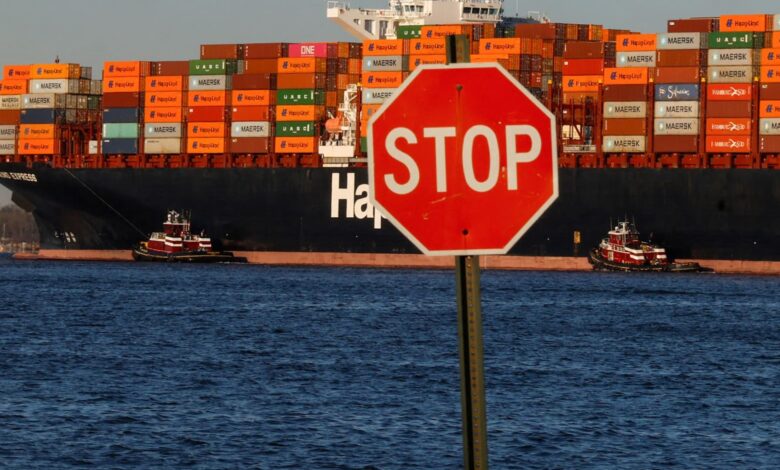
The shift in projections can be attributed to a variety of factors, including the impact of trade tariffs imposed by various countries. Since U.S. President Donald Trump implemented widespread tariffs in April, the global economic landscape has been reshaped, with countries scrambling to negotiate trade deals to mitigate the effects. Despite these efforts, tariffs continue to pose a significant challenge for global commerce, with even close allies like the U.K. facing a 10% tariff on exports to the U.S.
One of the key drivers of the surge in global trade volumes in the first half of 2025 was the front-loading of imports into the U.S. in anticipation of higher tariffs. Additionally, favorable macroeconomic conditions, including disinflation, supportive fiscal policies, and tight labor markets, boosted real incomes and spending in major economies. The demand for artificial intelligence-related goods, such as semiconductors, servers, and telecommunications equipment, also played a significant role in driving global trade growth.
The competition in developing AI-related products has intensified, with the U.S. and Asia leading the charge in AI-related trade growth. Asia accounted for nearly two-thirds of global AI-related trade growth in the first half of 2025, reflecting the region’s strong export performance in this sector. The WTO highlighted the importance of AI-related trade in driving overall trade expansion, noting that investments in this sector have surged worldwide.
Despite the positive outlook for 2025, the WTO economists warned of potential risks, including the spread of trade-restrictive measures and policy uncertainty. They also highlighted the importance of sustained growth in trade for AI-related goods and services in providing a medium-term boost to global trade. While services exports are expected to slow in the coming years, they remain an essential component of the global trade landscape.
Looking ahead, signs of weakness in trade and manufacturing output have already emerged in developed economies, with reduced business and consumer confidence and slower growth in employment and incomes. Director-General Ngozi Okonjo-Iweala emphasized the importance of countries’ measured response to tariff changes and the growth potential of AI in maintaining trade resilience. She stressed the need for nations to reimagine trade and collaborate to build a stronger foundation for global prosperity.
In conclusion, the evolving global trade landscape presents both challenges and opportunities for countries around the world. By navigating the complexities of trade tariffs and harnessing the potential of emerging sectors like artificial intelligence, nations can work together to build a more prosperous future for all.