Yieldstreet real estate bets leave customers with massive losses
Yieldstreet, a platform that promised retail investors access to exclusive real estate deals, has come under fire for leaving customers with massive losses. The company, founded in 2015, touted itself as a way for everyday investors to “invest like the 1%” by offering opportunities in assets like real estate, litigation proceeds, and private credit. However, recent revelations have shown that many customers who participated in Yieldstreet’s real estate deals have faced significant financial setbacks.
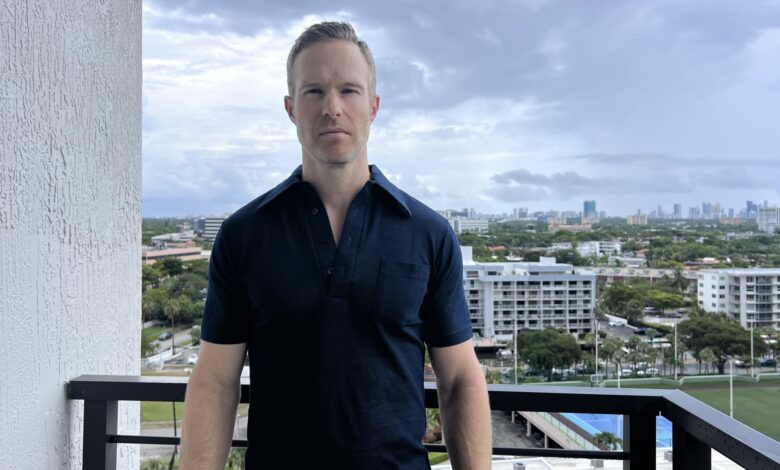
One such customer, Justin Klish, invested $400,000 in two real estate projects through Yieldstreet, only to see his funds wiped out when both projects turned out to be total losses. Klish is just one of many investors who have voiced concerns about the lack of transparency and the misleading information provided by Yieldstreet.
The company’s troubles in the real estate sector have become more apparent in recent years, with several projects experiencing defaults and significant losses for investors. Yieldstreet has faced criticism for downplaying the risks associated with its investments and for failing to provide accurate and timely updates to customers.
Despite these challenges, Yieldstreet has continued to expand its offerings and attract new investors. The company recently announced a pivot towards becoming a broker-dealer, allowing it to offer funds from established Wall Street giants like Goldman Sachs and the Carlyle Group. This shift represents a departure from Yieldstreet’s original model and reflects the changing landscape of the private markets.
As Yieldstreet grapples with the fallout from its troubled real estate deals, customers like Louis Litz, a 61-year-old electrical engineer, are facing the prospect of losing decades of savings. With several projects in default and little hope of recouping their investments, investors like Litz are left wondering how they will recover.
Yieldstreet’s journey from a promising platform for alternative investments to a source of disappointment for many customers serves as a cautionary tale for retail investors. As the company navigates its challenges and seeks to rebuild trust with investors, the lessons learned from this experience will undoubtedly shape its future direction.
Overall, the story of Yieldstreet underscores the importance of due diligence, transparency, and risk management in the world of alternative investments. As investors navigate the complex landscape of private markets, it is essential to approach opportunities with a critical eye and a thorough understanding of the potential risks and rewards involved.