‘You have the power to be transparent’: Epstein survivors call on Trump, Congress to release records
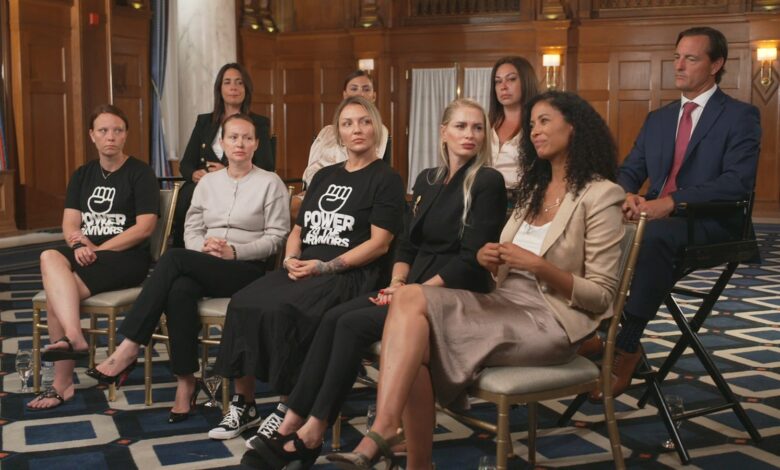
Following years of legal setbacks, limited accountability, and delayed justice, survivors of Jeffrey Epstein’s abuse are calling on Congress to provide much-needed transparency about the disgraced financier’s crimes. In an interview with ABC News, seven women who say they were sexually exploited by Epstein are urging Congress and the Trump administration to release the hundreds of thousands of remaining files related to the sex offender. They believe that making these files public will reveal the full extent of Epstein’s actions and help his victims in their healing process.
Anouska De Georgiou, one of the survivors, emphasized the importance of transparency and urged Congress to take responsibility for ensuring that the truth comes to light. She expressed frustration at having to continue advocating for justice after years of reporting their abuse.
The Justice Department and FBI’s decision in July not to release any additional Epstein files has been met with criticism, particularly from those who have accused the government of withholding information about Epstein’s crimes. However, the House Committee on Oversight and Government Reform recently released tens of thousands of Justice Department records related to Epstein, although many of these documents had already been made public.
The survivors believe that continued attention on Epstein and his associate, Ghislaine Maxwell, is a step towards accountability, but it also forces them to relive the trauma they experienced at the hands of the disgraced financier. Exhausted by the years of delayed justice, they are calling on lawmakers to support them and prioritize their needs over conspiracy theories and political agendas.
Despite facing pushback and politicization of their abuse, the survivors are determined to have their voices heard. Haley Robson, a Republican survivor, challenged President Trump’s dismissal of the push for transparency, inviting him to meet with survivors to understand the personal toll of their experiences. She emphasized that this is not a political issue but a matter of seeking justice and accountability for victims of abuse.
As the survivors continue to fight for transparency, they are hopeful that releasing the remaining files will shed light on Epstein’s crimes and provide closure for those who have suffered for far too long. They are calling on Congress to take action and ensure that the truth is revealed, allowing them to finally move forward in their healing journey. The call for transparency in the case of Jeffrey Epstein continues to grow, with survivors urging President Trump to release more information about the convicted sex offender. Anouska De Georgiou, who was introduced to Trump by Epstein’s associate Ghislaine Maxwell in the 1990s, believes that there is no reason for the President to withhold the files.
De Georgiou has offered to sit down with Trump to share her experiences and hopes that he will follow through on his promise to release the documents. She emphasized that there have been no accusations made against Trump and that the truth must be revealed to ensure justice for all victims.
The survivors, including Courtney Wild, Lisa Phillips, and Chauntae Davies, expressed concerns about the Trump administration’s handling of the case. Deputy Attorney General Todd Blanche’s recent interview with Maxwell in Florida raised eyebrows, especially since Maxwell has a history of making false statements to authorities.
Despite the interview, Maxwell was transferred to a federal prison camp in Texas, sparking fears that she may escape accountability. The survivors are calling on the Trump administration to do right by them and release the documents to the public.
Haley Robson, another survivor, appealed to Trump to be transparent and unite both parties in America by releasing the files. She sees an opportunity for the President to bring Democrats and Republicans together in pursuit of justice for Epstein’s victims.
The survivors believe that releasing the documents and holding Maxwell accountable is crucial for the healing process and for preventing future abuses. They are hopeful that Trump will make the right decision and ensure that justice is served. the perspective of a psychologist about the impact of social media on mental health.
Social media has become an integral part of our daily lives, with millions of people across the globe using platforms such as Facebook, Instagram, Twitter, and Snapchat to connect with friends, family, and strangers. While social media has its benefits, such as allowing us to stay in touch with loved ones and access information quickly, there is growing concern about its impact on mental health.
As a psychologist, I have seen firsthand the negative effects that excessive social media use can have on individuals’ well-being. One of the biggest issues is the constant comparison that occurs on social media. People often portray a perfect and idealized version of their lives online, which can lead others to feel inadequate or envious. This can contribute to feelings of low self-esteem, anxiety, and depression.
Additionally, social media can be a breeding ground for cyberbullying. With the anonymity that the internet provides, individuals may feel emboldened to make hurtful comments or spread rumors about others online. This can have devastating effects on the mental health of those who are targeted, leading to feelings of shame, isolation, and even thoughts of self-harm.
Another concern is the addictive nature of social media. The constant notifications, likes, and comments can trigger a dopamine response in the brain, leading to a cycle of seeking validation and approval from others. This can result in individuals spending excessive amounts of time on social media, neglecting real-life relationships and responsibilities in the process.
Furthermore, the curated nature of social media can create a distorted sense of reality. People often only share the highlights of their lives online, leading others to believe that everyone else is living a picture-perfect life while they themselves are struggling. This can lead to feelings of loneliness and isolation, as individuals may feel like they are the only ones facing challenges.
In order to combat the negative impact of social media on mental health, it is important for individuals to be mindful of their usage and set boundaries for themselves. This may include limiting the amount of time spent on social media each day, unfollowing accounts that trigger negative emotions, and engaging in activities that promote well-being, such as exercise, meditation, and spending time with loved ones.
It is also crucial for parents and educators to educate young people about the potential dangers of social media and help them develop healthy coping mechanisms for dealing with online stressors. By fostering open communication and teaching resilience skills, we can better equip individuals to navigate the digital world in a way that protects their mental health.
Overall, while social media can be a valuable tool for connecting with others and accessing information, it is important to be aware of its potential impact on mental health. By being mindful of our online habits and prioritizing self-care, we can mitigate the negative effects of social media and foster a healthier relationship with technology.