You Need Flood Insurance Even if Your House Isn’t Near Water
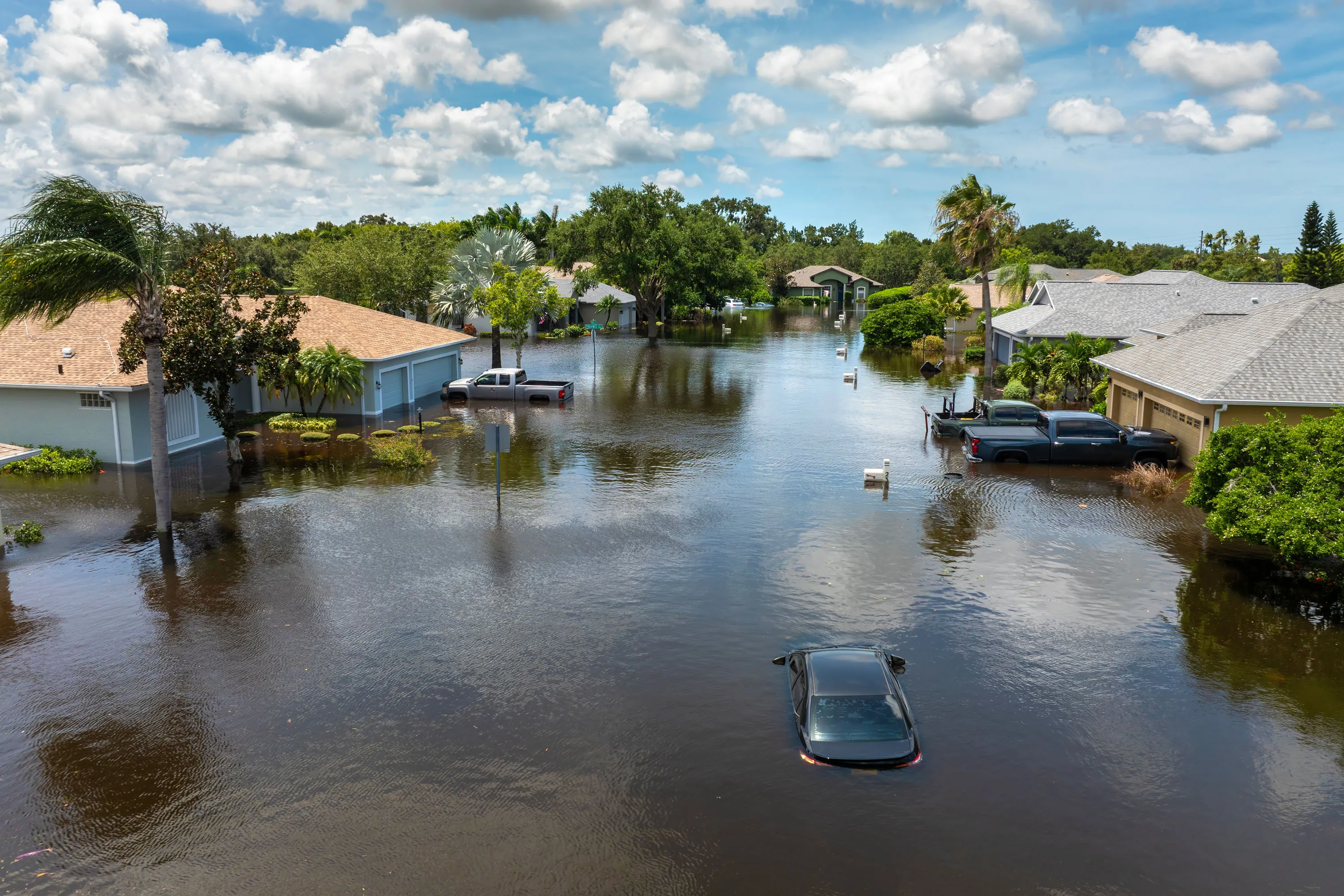
The recent devastating floods in central Texas over the Fourth of July weekend have highlighted the importance of having flood insurance for homeowners. With at least 134 people killed and over 100 still missing, the catastrophic event serves as a stark reminder of the financial vulnerability many households face when it comes to flood damage.
Many homeowners mistakenly believe that their standard homeowners insurance policy covers flooding, but in reality, most policies do not. While homeowners insurance may cover water damage from sudden and accidental events inside the home, such as a burst pipe or leaking appliance, it typically does not cover damage caused by rising water from outside the home, including flooding from heavy rain, storm surges, or flash floods.
To protect against water entering your home from the outside, a separate flood insurance policy is necessary. This can be obtained through the federally backed National Flood Insurance Program (NFIP) or a private insurer. Brian R. Catalano, the vice president of national flood insurance sales and underwriting at AFR Insurance Services, emphasizes the importance of closing the gap in coverage that catches many homeowners off guard.
While flood insurance is often associated with coastal or waterfront properties, flooding is the most common and costly natural disaster in the U.S. Nearly every county in the country has experienced a flood event in the past 20 years. Factors such as changing weather patterns, poor drainage, or nearby construction can put homeowners at risk, even if they are located outside of designated high-risk flood zones.
It is crucial for homeowners to assess their risk of flooding and consider purchasing flood insurance, even if they have never experienced flooding before. With the increasing frequency and intensity of severe weather events, the need for adequate insurance coverage to protect against flood damage has never been greater. Don’t wait until after a major weather event to discover the gaps in your coverage—take proactive steps to safeguard your home and finances against the unpredictable nature of flooding.
After the devastating July 4 storm in Texas, many homeowners in Kerr County were left shocked by the extent of flooding in their area. The region, known as Flash Flood Alley, is prone to flash floods due to its steep terrain and semi-arid soil that does not absorb much water. Despite this known risk, an analysis of FEMA data and satellite imagery revealed that FEMA maps significantly underestimated the true flood risk in the area. In some locations, water surged hundreds of feet beyond the official boundaries of FEMA’s designated flood zones.
Given this discrepancy, it is crucial for homeowners to not assume they are safe just because their address is not on a FEMA map. Understanding your flood risk and taking proactive measures to protect your home and belongings is essential. Here are some steps you can take to assess your risk and ensure you are adequately covered:
- Check FEMA’s flood maps: Visit FEMA’s website to see your home’s official risk zone and understand the level of flood risk in your area.
- Explore the National Risk Index: Use this interactive tool to identify which communities are most vulnerable to natural disasters, including floods.
- Consult with an insurance agent or mortgage lender: Seek guidance on flood insurance options and coverage, as they may not always bring it up unprompted.
- Research your property’s flood history: Look up flood risk data on real estate websites like Redfin or Realtor.com to understand your property’s flood risk and whether an NFIP policy is required.
Understanding Flood Insurance Coverage
It is important to note that standard homeowners insurance policies do not typically cover damage caused by flooding. Flood insurance is a separate policy designed to protect against damage caused by rising water from outside the home. Here are some key points to consider about flood insurance coverage:
“The biggest misunderstanding I see when working with homeowners is: ‘Water is water, right?’ But water coverage is not the same as a flood,” says Michelle Youshock, head of personal lines at World Insurance Associates.
Availability of Flood Insurance
Flood insurance is available through two main avenues: the National Flood Insurance Program (NFIP) or private insurers. The NFIP, managed by FEMA, was established to provide coverage in areas where private insurance was scarce or unaffordable. While many believe that flood insurance is hard to obtain, nearly every property is eligible for coverage through the NFIP, unless your community has opted out of the program.
Private flood insurance is also an option and may be more cost-effective for homes in low-to-moderate risk areas. Private insurers offer more flexibility in coverage limits and may provide higher coverage limits than the NFIP’s capped amounts.
Coverage Limits
NFIP policies have coverage limits of $250,000 for the structure and $100,000 for personal property. For homeowners with higher-value properties, private flood insurance may be a better option as it can offer higher coverage limits and more tailored coverage options.
Ultimately, understanding your flood risk and securing adequate flood insurance coverage is crucial to protect your home and belongings in the event of a flood. Don’t wait until it’s too late to assess your risk and take the necessary steps to safeguard your property.
Flood insurance is a crucial protection for homeowners living in flood-prone areas. While the National Flood Insurance Program (NFIP) offers coverage to those in need, private flood insurance policies provide more customizable options and broader coverage. Understanding the differences between NFIP and private policies can help homeowners make informed decisions about their flood insurance needs.
Both NFIP and private policies generally cover structural damage to your home, electrical and plumbing systems, appliances, foundation walls, anchorage systems, detached garages, fuel tanks, well water tanks, solar energy equipment, and HVAC systems. However, NFIP policies typically do not cover additional living expenses if you’re displaced, basement contents, or detached structures like sheds and gazebos. These items may require separate coverage or a private flood insurance policy.
One significant advantage of private flood insurance is the ability to customize your coverage, including options for additional living expenses or loss of use coverage. This can help cover costs like hotel stays, meals, and other essentials if you’re displaced while your home is being repaired after a flood.
Another key difference between NFIP and private policies is the waiting period. NFIP policies have a standard 30-day waiting period before coverage takes effect, while private insurers often have shorter waiting periods, sometimes as short as seven to 14 days. Acting early is crucial when purchasing flood insurance, as coverage may not be available immediately.
When considering the cost of flood insurance, premiums can vary significantly based on factors such as location, home elevation, building materials, number of floors, and policy type. The average annual premium through the NFIP ranges from $800 to $3,500 for residential properties, but rates can be higher or lower depending on risk factors. Private insurance rates are competitive with NFIP rates but may be more expensive in high-risk areas or for policies with higher coverage limits.
In recent years, FEMA’s Risk Rating 2.0 system has changed how the NFIP calculates premiums by assessing each property’s individual risk factors. This new pricing model considers factors like proximity to water, flood frequency, foundation type, and rebuild cost. While Risk Rating 2.0 has been a positive step, the NFIP’s authority is set to expire in September 2025, requiring a long-term reauthorization from Congress.
The uncertainty surrounding the NFIP’s future highlights the importance of exploring private flood insurance options. Private insurers offer customizable coverage, shorter waiting periods, and competitive rates, providing homeowners with more choices for protecting their properties against flood damage. As the demand for flood insurance continues to rise, understanding the differences between NFIP and private policies can help homeowners make informed decisions about their coverage needs.