4 reasons why the Trump tariffs haven’t caused U.S. inflation to soar
economy more competitive in the long run.
Despite the initial concerns and warnings from economists, the impact of the tariffs imposed by the Trump administration on various U.S. trade partners has not yet caused a significant spike in inflation. While some prices have seen a modest increase, overall, inflation has remained relatively stable. There are several reasons why this may be the case.
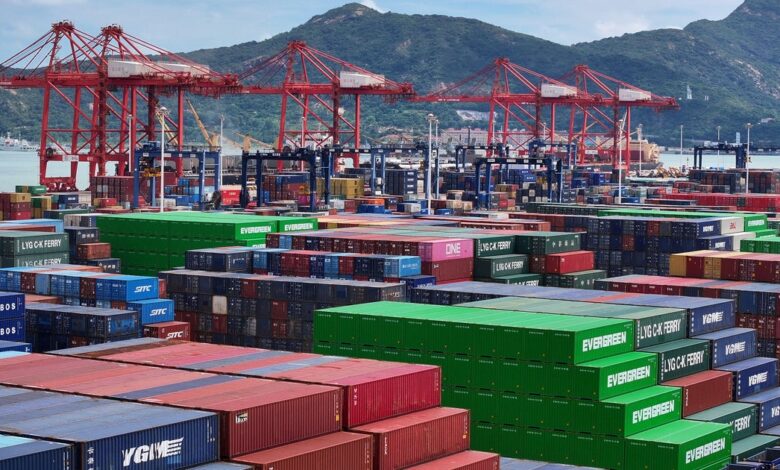
Firstly, the actual average tariff rate being charged on U.S. imports is lower than what was initially expected. Data shows that the average tariff rate on U.S. imports in June was 9%, below the 15% forecasted by many economists. This is due in part to countries facing higher tariffs sending fewer goods to the U.S., while countries with lower tariff rates are sending more goods. Additionally, many imported goods are exempt from tariffs, further contributing to the lower effective tariff rate.
Furthermore, U.S. retailers stockpiled inventories earlier in the year in anticipation of higher tariffs. This allowed them to continue selling non-tariffed products and delay price increases. However, as retailers exhaust their lower-cost inventories, price hikes may become more prevalent in the future.
Currently, many retailers are absorbing the additional tariff costs, leading to lower margins. This may not be sustainable in the long term, and as the uncertainty around tariff rates diminishes, retailers may be forced to raise prices to cover the added costs.
Lastly, tariffs typically take time to impact supply chains and consumer prices. The full effects of tariffs are often felt over an extended period, with the peak impact occurring roughly a year after implementation. Therefore, any tariffs imposed this year may not significantly impact inflation until later in the year or even into the following year.
Overall, while inflation has not yet surged due to the tariffs, economists warn that the impact may increase in the coming months. As retailers adjust to the new tariff landscape and pass on costs to consumers, prices may begin to rise. The long-term effects of the tariffs remain to be seen, but for now, inflation has remained relatively stable despite the highest U.S. tariffs in decades. In today’s global economy, competition is fiercer than ever before. Countries around the world are vying for a larger share of the market, and businesses are constantly looking for ways to stay ahead of the curve. One of the key tools in this battle is tariffs, which are taxes placed on imported goods.
The current administration has taken a strong stance on tariffs, asserting that the cost will ultimately be borne by foreign exporters who rely on access to the American market. This strategy is aimed at leveling the playing field and protecting American businesses from unfair competition.
However, the impact of tariffs is not limited to foreign exporters. Domestic companies that rely on imported goods may also feel the pinch. Higher prices for raw materials and finished products can eat into profit margins and make it harder to compete in the global marketplace.
To stay competitive in this environment, businesses need to be strategic in their approach. This may involve diversifying their supply chains, exploring new markets, or investing in technology to increase efficiency and reduce costs. Collaboration with industry partners and government agencies can also help businesses navigate the complexities of international trade.
In the end, success in the global marketplace comes down to adaptability and innovation. Businesses that can stay ahead of the curve, anticipate changes in the market, and respond quickly to challenges will be the ones that thrive in an increasingly competitive world.