Los Angeles weighs a disaster registry. Disability advocates warn against false assurances.

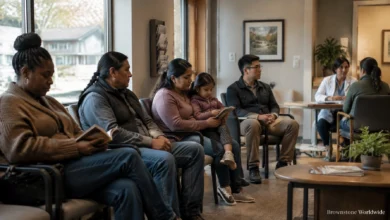
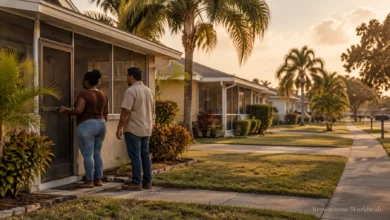
Los Angeles County leaders are considering the implementation of a disaster registry to assist disabled and senior residents during emergencies following the devastating wildfires in January. The registry would aim to connect these vulnerable populations with emergency responders to ensure their safety and evacuation during disasters.
A feasibility study for the voluntary database was approved by county supervisors this spring, with the intention of providing more notice and assistance to the over 1 million county residents with disabilities, such as cognitive impairments or limited mobility. The initiative has received support from advocates like Hilary Norton, who emphasized the importance of understanding the needs of people in crisis situations.
Disaster registries have been adopted by various states and local governments across the U.S. in response to the increasing frequency of natural disasters. However, many disability advocates view these registries as ineffective tools that may provide a false sense of security as there is no guarantee of evacuation assistance. The National Council on Disability has expressed concerns about the effectiveness and safety implications of these registries.
The California Governor’s Office of Emergency Services and disability advocates have raised privacy and logistical concerns regarding the use of disaster registries. Despite these reservations, Los Angeles politicians are moving forward with the registry effort in light of the tragic outcomes of the recent wildfires, where individuals with mobility issues were among the casualties.
The aging population of L.A. County further underscores the need for a comprehensive disaster registry, as a significant portion of residents are expected to be over 60 by 2030. Supervisor Kathryn Barger and Supervisor Janice Hahn are spearheading the registry study to explore its potential benefits and usability in emergency situations.
While some critics point to past unsuccessful registry programs, proponents believe that a new approach focused on understanding and addressing the specific needs of disabled residents is essential. The registry initiative aims to go beyond just collecting names and ensure that individuals with disabilities are not left behind in future disasters.
Overall, the disaster registry in Los Angeles County represents a proactive step towards enhancing emergency preparedness and ensuring the safety of vulnerable populations during crises. By addressing the unique challenges faced by disabled and senior residents, the registry has the potential to improve response and evacuation efforts in future disasters.