Has Crime Decreased In Washington D.C. Since Trump’s Interventions?

Impact of Federal Intervention in Memphis
Recent reports on the federal intervention in Memphis have shown promising results. The addition of federal resources has led to improvements in public safety and a reduction in crime rates. The partnership between local law enforcement and federal agencies has been effective in combating criminal activities in the city.
The data from Memphis reflects a similar trend to that seen in Washington, D.C. The collaboration between different levels of law enforcement has been well-received by the community and has contributed to a safer environment for residents.
The positive impact of federal intervention in Memphis is a testament to the effectiveness of combining resources and expertise from various agencies to address crime and ensure the safety of the public.
Moving forward, continued cooperation between local, state, and federal law enforcement agencies will be crucial in maintaining the progress made in reducing crime rates and enhancing public safety in Memphis.
The Future of Crime Prevention
As we navigate the complex landscape of crime prevention and law enforcement, it is essential to consider the role of federal intervention in addressing crime at a national level. The success stories from cities like Washington, D.C., and Memphis highlight the importance of collaboration and coordination between different levels of law enforcement.
By leveraging resources and expertise from federal agencies, local law enforcement can enhance their effectiveness in combating crime and ensuring the safety of their communities. The positive outcomes observed in various cities underscore the value of a multi-faceted approach to crime prevention.
It is evident that federal intervention can play a significant role in addressing crime and improving public safety. As we look towards the future, continued collaboration and innovation in crime prevention strategies will be key to building safer and more secure communities across the country.
In conclusion, the recent data on federal intervention in cities like Washington, D.C., and Memphis demonstrate the positive impact of collaborative efforts in combating crime and enhancing public safety. By working together and leveraging resources effectively, law enforcement agencies can make a meaningful difference in reducing crime rates and creating a safer environment for all.
The success stories from these cities serve as a beacon of hope for other communities facing similar challenges, highlighting the potential for positive change through coordinated and strategic approaches to crime prevention.
According to independent analysts, reported crime in cities has decreased considerably in recent years. This decrease in crime rates has been noted in major cities across the country, including Washington, D.C., where efforts to reduce crime have been a focal point of the current administration.
The fear of crime remains a significant concern for many Americans, with Gallup reporting near record increases in fear of crime nationally. In Washington, D.C., about 65 percent of residents view crime as a very or extremely serious problem, despite a decline in violence. This sentiment is echoed in a new AP-NORC poll, which shows that a majority of Americans now see handling crime as a relative strength for President Trump.
While reported crime has decreased in cities like Washington, D.C., fear of crime remains high among residents. Despite the positive trend in crime rates, many residents still express concerns about their personal safety and the quality of life in their communities.
Washington, D.C. is among the higher-crime large cities in terms of violent crime, homicide rate, and robbery rate. Its homicide rate places it in the top 15 cities nationally, and it ranks third highest for robbery among cities with populations over 50,000. The city has seen numerous incidents of robberies, homicides, and carjackings, often committed by juveniles and younger offenders.
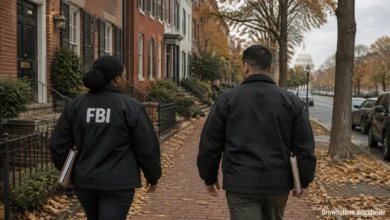
President Trump’s decision to assert federal control over the District of Columbia’s police force has been praised by supporters for leading to sharp declines in crime rates. Preliminary crime data from the Metropolitan Police Department showed significant decreases in homicides, property crimes, and robberies following the federal intervention. Advocates credit tighter coordination among federal agencies, increased National Guard presence, and a more aggressive policing posture for these reductions.
However, not everyone agrees that the drop in reported crime reflects a lasting or direct effect of the federal intervention. Crime analysts urge caution in concluding short-term trends and emphasize the need for continued efforts to address the root causes of crime in cities like Washington, D.C.
Overall, while reported crime has decreased in cities, the fear of crime and concerns about public safety persist among residents. Addressing these issues will require a comprehensive approach that considers the complex factors contributing to crime rates and focuses on creating safer communities for all individuals.
Crime trends are a complex and multifaceted issue that cannot be attributed solely to one policy shift. As crime fluctuates for various reasons, it is often challenging to determine the impact of any specific intervention in the short term. According to experts like Asher, analyzing crime data requires a longer timeframe to differentiate between real trends and normal variations.
In the case of Washington, D.C., where federal intervention has sparked a national debate, it is essential to consider the existing downward trend in violent crime before the intervention. While there may be some evidence of accelerated declines in certain crimes, overall violent crime rates have not shifted dramatically. The true impact of the intervention and whether these trends will continue or reverse remains uncertain.
The response to the President’s actions in D.C. varies among different stakeholders. The DC Police Union, representing over 3,000 officers, has expressed support for the federal intervention, citing the dire conditions within the police department due to staffing shortages and increasing crime rates. However, critics view the intervention as an infringement on local governance and home rule.
As the nation observes the developments in Washington, D.C., and potentially other cities like Memphis, where similar interventions are being considered, the debate on the role of federal power in local policing continues. While early data from Memphis shows a significant decrease in crime, questions remain about the long-term impact and potential reporting biases.
Ultimately, the effectiveness of federal interventions in addressing crime will require further evaluation and analysis. The experiences of both D.C. and Memphis will provide valuable insights into the complexities of crime trends and the role of law enforcement in ensuring public safety. As policymakers and residents navigate these challenging issues, it is essential to consider the diverse perspectives and ongoing discussions surrounding crime prevention and community safety. Privacy is a major concern for many internet users, and here at “About This Site,” we take your privacy seriously. Our privacy policy outlines how we collect, use, and protect your personal information when you visit our website.
We understand the importance of transparency when it comes to privacy, which is why we provide detailed information about the types of data we collect, how we use that data, and who we may share it with. By reading our privacy policy, you can have peace of mind knowing that your information is being handled responsibly.
In addition to our privacy policy, we also provide a wealth of information on crime and justice on our website. From articles on crime rates in different cities, states, and countries, to statistics on offender recidivism rates, we strive to keep our readers informed about important issues in the criminal justice system.
If you want to stay up to date on the latest news and announcements from our site, be sure to subscribe to our RSS feed. By subscribing, you can receive updates directly to your inbox and never miss out on important information.
At “About This Site,” we are committed to providing valuable content while also respecting your privacy. Visit our website today to learn more about our privacy policy and explore our articles on crime and justice. In today’s fast-paced world, it can be difficult to keep up with the latest trends and technologies. One area that is constantly evolving is the world of artificial intelligence (AI). From self-driving cars to virtual assistants, AI is becoming more integrated into our daily lives. But what exactly is AI, and how is it changing the way we live and work?
Artificial intelligence is a branch of computer science that aims to create machines that can perform tasks that typically require human intelligence, such as learning, reasoning, and problem-solving. AI systems are designed to mimic human cognitive functions, allowing them to analyze data, make decisions, and even understand natural language.
One of the most exciting applications of AI is in the field of self-driving cars. These vehicles use AI algorithms to interpret data from sensors and cameras, allowing them to navigate roads and avoid obstacles without human intervention. Self-driving cars have the potential to revolutionize transportation by making roads safer and reducing traffic congestion.
Another area where AI is making a big impact is in healthcare. AI algorithms can analyze medical images, such as X-rays and MRIs, to detect diseases like cancer at an early stage. AI-powered chatbots and virtual assistants are also being used to provide personalized healthcare advice and support to patients.
In the world of business, AI is being used to streamline operations and improve efficiency. AI-powered chatbots can handle customer inquiries and provide personalized recommendations, while AI algorithms can analyze data to identify trends and make predictions about future outcomes. Companies are also using AI to automate repetitive tasks and free up employees to focus on more strategic work.
But with these advancements come ethical concerns. As AI becomes more advanced, there are concerns about privacy, security, and the potential for bias in AI algorithms. It’s important for developers and policymakers to address these issues and ensure that AI is used responsibly and ethically.
Overall, artificial intelligence is transforming the way we live and work. From self-driving cars to virtual assistants, AI is revolutionizing industries and improving our quality of life. As AI continues to evolve, it’s important for society to adapt and embrace these changes in order to fully realize the potential of this groundbreaking technology.