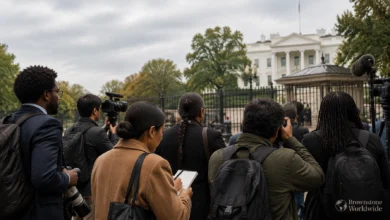
This is a critical issue because without funding, quality journalism suffers. And without quality journalism, the public’s understanding of complex issues like crime and justice is diminished. As someone who has dedicated their career to providing accurate and trustworthy information on crime in America, I understand the importance of supporting the media.
The media plays a vital role in holding law enforcement accountable, highlighting issues of injustice, and informing the public about crime trends. Without a strong and independent media, our democracy is weakened, and the trust in institutions like the police is eroded.
It’s crucial for all of us to support quality journalism, whether through subscriptions, donations, or simply sharing articles and podcasts that provide valuable insights into crime and justice. By doing so, we can ensure that the public remains informed and that the truth is upheld.
As someone who has worked on both sides of the criminal justice system, I know firsthand the importance of media coverage in shaping public perception and influencing policy decisions. It’s up to all of us to support and protect the integrity of the media, especially when it comes to reporting on crime and justice.
In conclusion, let’s remember that a free and independent media is essential to a functioning democracy. By supporting quality journalism, we can ensure that the public remains informed and that the issues of crime and justice are properly addressed. Together, we can make a difference in how these important issues are covered and understood by the public.
Leonard Adam Sipes, Jr. is a former Senior Specialist for Crime Prevention and Statistics for the Department of Justice’s clearinghouse. He is a retired federal senior spokesperson with over thirty-five years of experience in public relations for national and state criminal justice agencies. Leonard is also the author of “Success With The Media: Everything You Need To Survive Reporters and Your Organization.” He is dedicated to providing accurate and trustworthy information on crime in America.
As Craig Newmark questioned the reach of journalism funding to audiences beyond the already converted, I believe a similar inquiry applies to law enforcement and the justice system’s outreach efforts. Are we effectively reaching independents and those outside our typical supporters?
With 35 years of experience in leading media and public relations for national and state criminal justice agencies, I have seen the importance of showcasing the positive work of law enforcement and justice agencies. Every day, officers and officials are saving lives, protecting the vulnerable, and ensuring public safety. Yet, are we doing enough to publicize these stories to a wider audience?
While law enforcement and justice social media often focus on emotional accounts that resonate with supporters, we may need to expand our reach to address topics that appeal to a broader audience. True crime shows and media have captured the public’s interest in the work we do, and we should leverage this curiosity to engage with a wider demographic.
Sheriffs across the country have effectively utilized social media and other platforms to reach tens or hundreds of thousands of viewers, showcasing their work and engaging with a diverse audience. By telling compelling stories and providing balanced perspectives, we can build credibility and expand our influence beyond our existing supporters.
As a significant portion of Americans identify as independents rather than aligning with a specific political party, it is essential to reach this demographic. With a growing desire for more political options, there is a clear opportunity to engage with the middle ground and offer diverse perspectives on law enforcement and justice issues.
In conclusion, we must go beyond servicing our existing supporters and focus on reaching the broader American population. By building credibility, telling engaging stories, and connecting with independents, we can expand our influence and foster a more inclusive dialogue on law enforcement and justice topics. Let us strive to engage with new audiences and make a meaningful impact on a wider scale.
The data from Gallup shows that while there has been a slight decrease in the public’s perception of the honesty and ethical standards of police officers, there has been a significant increase in confidence in the police as an institution. This increase in confidence is particularly notable among demographic groups that had previously expressed lower levels of trust in law enforcement.
Despite the challenges that law enforcement has faced in recent years, including incidents of police brutality and calls for reform, the fact that the police have been rated as the third most trusted institution in America is a significant achievement.
The Be The People National Campaign, which aims to empower individuals to make a positive impact in their communities, highlights the potential for positive change and collaboration in solving local issues. With funding from philanthropic foundations and individual donors, this initiative seeks to harness the desire of many people to contribute to their communities in meaningful ways.
Advancements in technology have made it easier than ever for justice and other agencies to promote themselves and connect with the public. From smartphones with high-quality cameras to free hosting platforms for podcasts and videos, there are numerous tools available to help agencies share their work and stories with the community.
In conclusion, the data from Gallup and initiatives like the Be The People National Campaign demonstrate that there is a growing opportunity for law enforcement and justice agencies to build trust and engage with the public. By leveraging technology and focusing on transparency and community engagement, these agencies can continue to improve their public image and strengthen their relationships with the communities they serve.
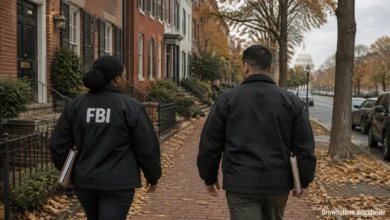
Law enforcement is a crucial part of our society, with the majority of Americans, regardless of their background, supporting the presence of cops in their communities. While there may be differences in opinion based on political affiliation, race, and age, the overall sentiment remains positive towards law enforcement.
Having spent six years in law enforcement and being a long-time supporter of the profession, I have come to understand the challenges that officers face. Mistakes can easily occur, even with the best intentions. The majority of officers are dedicated individuals who work tirelessly to keep the public safe.
It is inevitable that errors will occur in the millions of interactions that take place between law enforcement and the public each year. This is why it is essential to highlight the positive work that officers do on a daily basis. By promoting the good deeds of law enforcement, we can maintain a positive public image and build credibility.
In today’s digital age, it is crucial to utilize various platforms to communicate the positive aspects of law enforcement. Rather than focusing solely on emotional grievances, we should strive to provide an objective and balanced perspective on the work that is being done to protect communities.
Reaching out to the political middle ground is also important in garnering support for law enforcement. By presenting a fair and balanced view of issues, we can influence a wider audience and gain their trust and support.
While it is important to continue engaging with our existing supporters, it is also essential to expand our reach and connect with a broader audience. By being strategic in our social media and public communications, we can effectively convey the importance of law enforcement to all members of society.
In conclusion, law enforcement agencies need to adapt to the changing landscape of communication and public relations. By highlighting the positive contributions of officers and engaging with a wider audience, we can build trust and support for law enforcement in the community.
—
This article has been fact-checked by ChatGPT and includes research to ensure accuracy. The field of artificial intelligence (AI) has seen rapid growth and development in recent years, with new breakthroughs and advancements being made on a regular basis. From self-driving cars to virtual assistants, AI technology is changing the way we live and work.
One area where AI is making a significant impact is in the field of healthcare. AI algorithms are being used to analyze vast amounts of medical data and identify patterns that can help doctors make more accurate diagnoses and treatment plans. For example, AI can be used to analyze medical images such as X-rays and MRIs to detect early signs of disease or abnormalities that may be missed by human clinicians.
AI-powered chatbots are also being used to provide patients with personalized medical advice and support, helping to improve access to healthcare services and reduce the burden on healthcare providers. These chatbots can answer basic medical questions, schedule appointments, and even provide reminders for medication.
In addition to improving patient care, AI is also being used to streamline administrative tasks in healthcare facilities. AI-powered software can help hospitals and clinics with tasks such as scheduling appointments, managing patient records, and billing, allowing healthcare providers to focus more on patient care and less on paperwork.
Despite the many benefits of AI in healthcare, there are also challenges and concerns that need to be addressed. One of the main concerns is the potential for bias in AI algorithms, which could lead to incorrect diagnoses or treatment recommendations. It is important for developers and healthcare providers to ensure that AI systems are trained on diverse and representative data sets to minimize the risk of bias.
Another challenge is the need to protect patient privacy and data security when using AI technology in healthcare. As AI systems become more sophisticated and capable of handling sensitive medical information, it is crucial to implement robust data protection measures to safeguard patient data and comply with regulations such as the Health Insurance Portability and Accountability Act (HIPAA).
Overall, the future of AI in healthcare looks promising, with the potential to revolutionize the way we deliver and receive medical care. By leveraging the power of AI technology, healthcare providers can improve patient outcomes, reduce costs, and enhance the overall quality of care. However, it is important to proceed with caution and address any ethical, privacy, and security concerns to ensure that AI is used responsibly and ethically in the healthcare industry.