

Oil prices, stocks see choppy trading ahead of Trump’s Tuesday night deadline for Iran

As President Trump’s deadline for Iran to reopen the Strait of Hormuz loomed, oil prices and stocks experienced significant fluctuations. The S&P 500 index closed flat after a day of losses, while the Dow Jones Industrial Average dropped 85 points. The Nasdaq managed to end the day with a 0.1% gain.
The price of Brent crude, the international standard, saw a 0.5% decrease to $109.27 per barrel, still significantly higher than its pre-war level of around $70. Benchmark U.S. crude prices briefly surpassed $117 but settled at $112.95, reflecting a 0.5% increase.
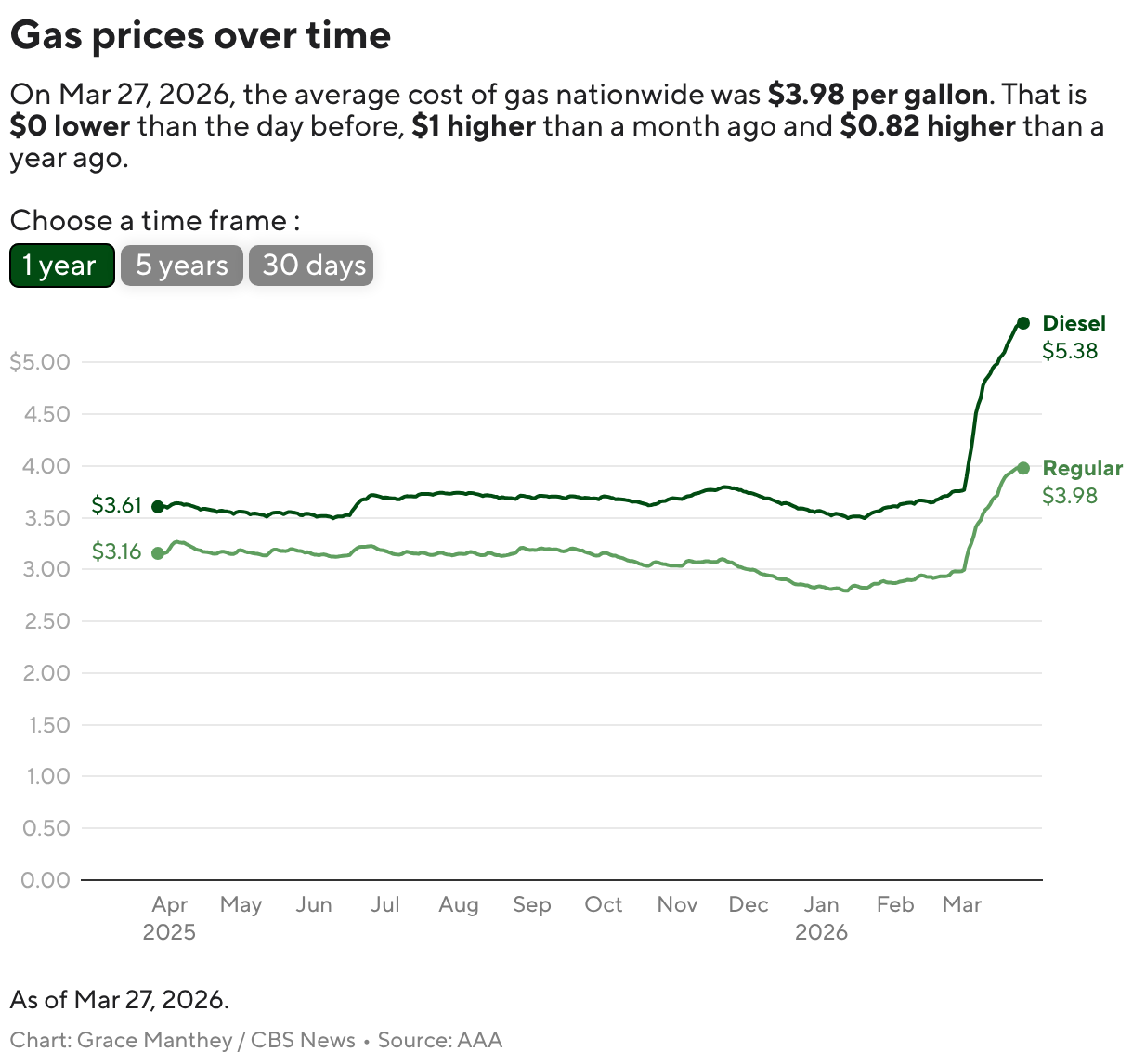
The surge in oil prices has led to a spike in U.S. gasoline costs, with the national average reaching $4.14 per gallon, the highest since 2022. This increase can be attributed to the ongoing conflict in the Middle East, which has disrupted the global oil and liquified natural gas supply.
President Trump’s warning of dire consequences in a Truth Social post added to the uncertainty in the market. The closure of the Strait of Hormuz to oil tankers has further fueled concerns, pushing oil prices up by more than 50% since the conflict began in February.
Despite the economic risks associated with escalating tensions, investors appeared relatively unfazed by the situation. Nigel Green, CEO of de Vere Group, noted that the market was treating the conflict as background noise, with a binary outcome hinging on the U.S. president’s deadline.
Analysts from Mizuho Bank highlighted the repeated escalation cycles in the conflict and the challenges in achieving a resolution. Investors are banking on the U.S. administration refraining from further aggressive actions due to strategic gains and minor concessions from Iran.
Wall Street analyst Adam Crisafulli suggested that despite Trump’s tough rhetoric, the potential costs of escalation may force him to seek a de-escalation. The options available to the president, such as civilian infrastructure bombing or reopening the Strait of Hormuz, are viewed as undesirable.
As the situation continues to unfold, market participants are closely monitoring developments and anticipating the next steps from the Trump administration. The uncertainty surrounding the conflict and its impact on global markets underscores the need for a swift and diplomatic resolution.



