CPI inflation report March 2026: Consumer prices rose 3.3%

Consumer Prices Surge in March Amid Iran Conflict
A man shops for butter at a supermarket in Houston, Texas, on March 17, 2026. Ronaldo Schemidt | AFP | Getty Images
According to a recent report from the Bureau of Labor Statistics, consumer prices experienced a significant spike in March due to the ongoing conflict in Iran, which led to a surge in energy costs. This increase has pushed the Federal Reserve further away from its inflation target, with the consumer price index rising by a seasonally adjusted 0.9% for the month. The annual inflation rate now stands at 3.3%, driven primarily by a 10.9% jump in energy costs. While these numbers align with expectations, they mark the highest annual rate since April 2024, up from 2.4% in February.
Despite the overall increase in consumer prices, underlying inflation remains relatively tame. Excluding food and energy, core prices only rose by 0.2% for the month and 2.6% from a year ago, both slightly below forecasts. This suggests that underlying inflation is being contained, with certain sectors even experiencing price declines in areas such as medical care, personal care, and used cars and trucks.
The Iran conflict played a significant role in driving the monthly inflation reading, as gasoline prices soared by 21.2%, accounting for nearly three-quarters of the headline price increase. However, energy prices have since moderated in April following a ceasefire between the U.S. and Iran, allowing the Federal Reserve to focus more on the underlying path of inflation, which has remained above target for the past five years.
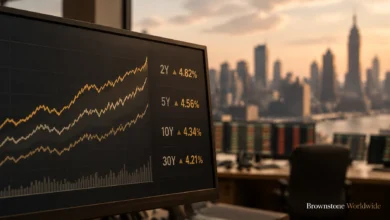
While Fed officials had hinted at a possible interest rate cut at their March meeting, market expectations for such a move remain low for the rest of 2026. Investors have shown little reaction to the recent inflation report, with stock market futures slightly higher and Treasury yields mixed.
“We believe the Fed will look through the energy-driven noise so long as these factors hold,” said Alexandra Wilson-Elizondo, global co-CIO of multi-asset solutions at Goldman Sachs Asset Management. “The Fed has room to be patient, and every reason to do so. Today’s number buys the Fed time, but the real test lies ahead.”
Policymakers are closely monitoring services prices as indicators of underlying inflation, excluding the impact of tariffs and the Iran conflict. Services excluding energy rose by 0.2% for the month and 3% from a year ago, while shelter prices increased by 0.3% monthly and annually, tied for their lowest level since August 2021.
Food prices remained unchanged for the month, with a 2.7% increase annually. Meat prices declined by 0.6%, while eggs fell by 3.4%, marking a significant 44.7% decrease over the past year. New vehicle prices saw a minimal increase of just 0.1%. There were also signs of tariff and war impact, with airline fares rising by 2.7% and apparel prices climbing by 1%.
The surge in the Consumer Price Index has resulted in a 0.6% decrease in real earnings for workers for the month, as average hourly earnings only rose by 0.2%. However, over the 12-month period, real average hourly earnings saw a modest 0.3% increase.
In conclusion, the recent inflation report highlights the ongoing challenges posed by the Iran conflict on consumer prices. While the Federal Reserve may consider potential rate cuts in the future, the focus remains on monitoring underlying inflation trends and their long-term implications for the economy.