Fear Of Crime Continues To Decline in 2026 Per Gallup

The criminological literature emphasizes the detrimental impact of fear of crime on cities, the mental well-being of citizens, students’ academic performance, economic growth, and employment opportunities. Recent data from Gallup in 2026 indicates a decline in fear of crime among individuals who are highly concerned about crime. However, when considering additional categories related to fear of crime, a significant portion of the population still harbors moderate to severe concerns.
Specific trends point to a rise in fraud, computer crimes, porch pirating, retail crime, and cargo theft, among other property crimes. These factors contribute to an overall sense of vulnerability among the populace. According to Gallup’s 2025 report, identity theft and falling victim to financial scams are the top concerns for Americans.
Gallup’s Global Crime and Fear Index for 2025 reflects a positive shift in perceptions of crime in many countries worldwide, excluding North America and parts of Africa. Despite this, the United States ranks in the middle when it comes to feelings of safety and crime rates compared to other nations.
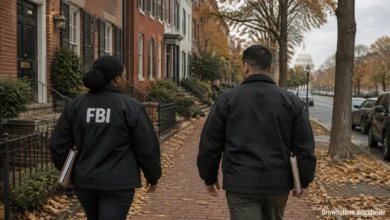
While reported crimes in cities show a decline, the national level statistics from the FBI indicate only marginal reductions in violent crime rates. However, there is a slight improvement in crimes solved, particularly for violent offenses, suggesting progress in law enforcement efforts.
The US Department of Justice’s National Crime Victimization Survey reveals a significant increase in violent crime rates in 2022, which have since stabilized. This surge in violent crime remains a cause for concern, especially in urban areas.
In 2023, a Gallup poll highlighted that a majority of Americans viewed crime as a serious issue in the country, with a notable increase in fear and concerns about safety. However, recent data from 2025 indicates a shift towards a more optimistic outlook, with fewer individuals considering crime a significant problem.
Despite these improvements, personal anxieties regarding identity theft, financial scams, and safety in public spaces persist among Americans. The need for enhanced security measures and proactive policing strategies remains crucial to address these concerns and ensure the well-being of communities.
Overall, the evolving landscape of crime perception underscores the complex interplay between official crime data, public sentiment, and the ongoing efforts to enhance safety and security measures. By addressing these multifaceted issues, stakeholders can work towards creating safer and more resilient communities for all.