Why Violence Repeats: Understanding Intergenerational Trauma

At Brownstone Worldwide, we believe that understanding our past is the first step toward building a healthier future. One of the most challenging patterns to discuss is the “cycle of violence.” It isn’t just a phrase; it is a documented psychological phenomenon known as intergenerational trauma.
The Weight of the Past
Violence often repeats because it becomes a learned coping mechanism or a normalized part of family life. Statistics show a sobering reality: adults who were exposed to Intimate Partner Violence (IPV) as children are roughly twice as likely to perpetrate it in their own adult relationships.
Furthermore, research indicates a staggering link between witnessing IPV and child maltreatment: those who witness domestic violence are 3.88 times more likely to experience or perpetrate maltreatment within their own families. These numbers highlight how trauma weaves its way through generations if left unaddressed.
Breaking the Cycle
The good news is that cycles can be broken. Healing requires a multi-generational approach that focuses on more than just the individual.
- Trauma-Informed Support: Seeking help from professionals who understand how childhood experiences shape adult behavior.
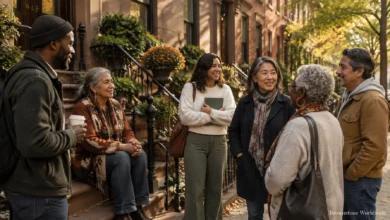
- Strengthening Social Networks: Isolation fuels abuse. Building strong community ties provides the accountability and support families need to thrive.
- Early Intervention: Providing resources to young parents and children as soon as issues arise can redirect a family’s trajectory.
A Path Forward
Whether through programs online or local community initiatives, the focus must be on multi-generational care. By fostering environments of safety and empathy, we can ensure the next generation grows up with peace as their baseline.
Sources: Frontiers in Psychiatry; NIH Review on Intergenerational Effects of Childhood Maltreatment.