U.S. oil falls amid hopes that a U.S.-Iran agreement will restore Hormuz traffic

Oil prices witnessed a decline on Wednesday following remarks from Secretary of State Marco Rubio indicating that the U.S. is willing to give talks with Iran a chance to succeed.
West Texas Intermediate futures dropped by 4.68% to $89.50 per barrel by 2:03 p.m. ET. The international benchmark Brent oil also experienced a decline of 4.57% to $95.03.
During a White House Cabinet meeting, Rubio mentioned that there has been some progress in talks with Iran. He stated that President Donald Trump is inclined towards diplomatic solutions but is prepared to explore other options, including military actions if necessary.
“We are committed to pursuing diplomatic negotiations and will exhaust all possibilities for a successful outcome,” Rubio emphasized.
President Trump emphasized that Iran will not be allowed to dominate the Strait of Hormuz as part of any agreement. Approximately 20% of the world’s oil supply passes through this strategic waterway.
“The strait will remain open to all. It is international waters, and no entity will have control over it,” stated the president during the Cabinet meeting.
Earlier reports from Iranian state television suggested that Tehran had agreed to restore commercial traffic through the Strait of Hormuz to prewar levels within a month of reaching an agreement with the U.S.

Recent reports suggesting Iran’s management of ship traffic in the strait with cooperation from Oman come amidst ongoing negotiations.
However, the White House dismissed reports of a memorandum of understanding as “completely false.”
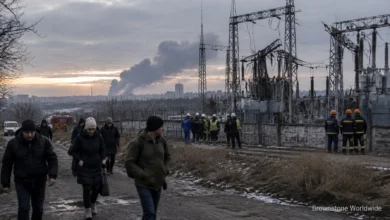
The relationship between Iran and the U.S. has been fluctuating between negotiation and potential military escalation. The U.S. conducted defensive strikes in southern Iran, prompting threats of retaliation from Tehran.
Industry experts remain doubtful that oil flows will swiftly return to prewar levels.
Sultan Ahmed al-Jaber, the head of Abu Dhabi National Oil Co., estimated that even if the U.S.-Iran conflict ends promptly, it would take at least four months to restore oil flows to 80% of normal levels. He projected a full normalization of flows by the first or second quarter of 2027.