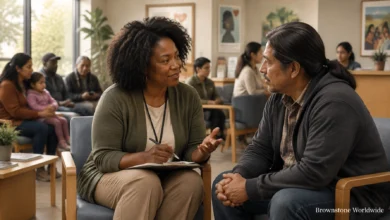
We Mistook Silence For Trust

The issue of regaining trust in medicine and science has come to the forefront following discussions at Aspen Ideas Health this week. This conversation was sparked by the recent Edelman Trust Barometer report, which revealed alarming statistics on public trust in science and medicine. The data presented in the report are not new, but they serve as a reminder of the long-standing skepticism that many communities have towards health and science institutions.
For years, organizations like the Pew Research Center have documented this pattern of distrust. As someone who has worked in the medical, research, and public health fields in various countries, I have seen firsthand how communities can be wary of science, medicine, and health policies. The erosion of trust is not a recent phenomenon, but rather a longstanding issue that has been exacerbated by the rise of social media. With the proliferation of platforms for disseminating information, both true and false, the public’s skepticism towards science and medicine has become more visible.
Historically, low trust in health and science is not a new phenomenon. From the Middle Ages to the present day, there have been instances of distrust towards medical and scientific institutions. The COVID-19 pandemic has only highlighted these existing tensions, with movements advocating for medical freedom and skepticism towards scientific processes.
Despite this history, public distrust in medicine and science has often been dismissed as fringe or isolated. However, social media has shattered this illusion of universal trust in these institutions. It has become clear that we have not made consistent efforts to engage with communities and listen to their concerns. This lack of engagement has contributed to the perception of untrustworthiness within the medical and scientific fields.
To bridge the trust gap, it is essential to address the sources of distrust and untrustworthiness within our systems. Examples of this include patients being discharged without adequate explanations or follow-up care, individuals struggling to access real-time information from their healthcare providers, and a lack of plain language communication in medical settings. These examples highlight the need for organizational culture and behavior change within medical and scientific institutions.
Addressing distrust requires specific actions, such as improving communication strategies, integrating accountability metrics, and showing up in communities to listen and address concerns. These changes may be challenging in entrenched systems that prioritize publications and presentations over community engagement. However, the urgency of the trust-building process cannot be ignored.
As we navigate this complex landscape of trust in medicine and science, it is crucial to listen to the community and respond with humility and urgency. The data from reports like the Edelman Trust Barometer serve as a catalyst for meaningful change and a renewed commitment to rebuilding trust in these essential institutions.