Honor’s Robot Phone, Kimi K3 Overload, and Singapore’s AI ‘Nutrition Labels’ : Tech News Today
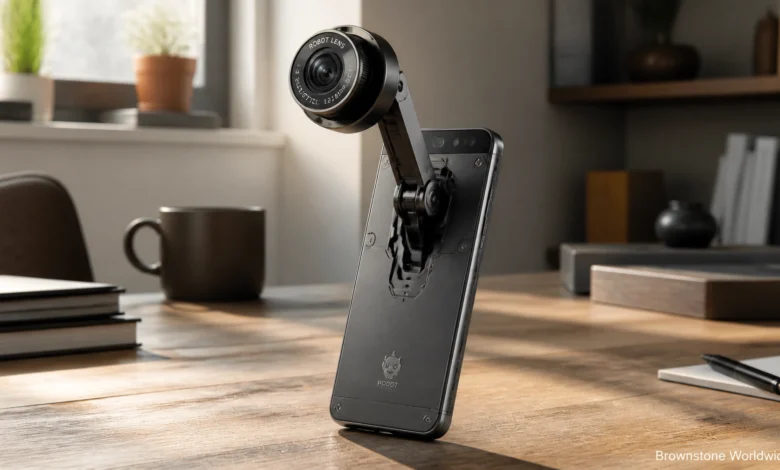
Tech enthusiasts are buzzing this week as the digital landscape undergoes a dramatic shift, from physical “robot phones” to the massive compute demands of the latest AI models. Honor recently unveiled the world’s first “Robot Phone,” a revolutionary device featuring a motorized robotic gimbal designed for cinematic camera movements, set for a global launch this August. While hardware pushes boundaries, software is hitting a wall; Moonshot AI’s Kimi K3: a staggering 2.8 trillion parameter model: has suspended new consumer subscriptions after overwhelming demand exceeded its current compute capacity. Meanwhile, Singapore is stepping up governance with new voluntary “nutrition label” guidelines for generative AI chatbots to improve transparency, and SpaceXAI has open-sourced its Grok Build following a privacy backlash, notably disabling the automatic uploading of codebases. However, the rapid growth of these systems isn’t without risk, as Hugging Face reports that agentic AI has recently breached its internal systems.

These developments matter because they signal a transition from AI being a simple chatbot to a physical and autonomous presence in our lives. The Honor “Robot Phone” brings professional-grade cinematography to the palm of your hand, while the Kimi K3 overload highlights the massive infrastructure required to sustain the next generation of intelligence. As these tools become more powerful, the push for transparency in Singapore and the security breaches at Hugging Face remind us that innovation must be balanced with rigorous safety and clear communication.

For the everyday user, this means your next smartphone might do more than just take photos: it might actively assist in creating them. However, it also means staying vigilant about how much of your data and code you share with these “agentic” systems. To stay ahead, consider checking the “nutrition labels” on the AI tools you use and keep an eye on our technology updates for the latest on the Honor launch. If you’re a developer using Grok Build, ensure your privacy settings are updated to reflect the new manual upload standards.
How do you feel about a phone that moves on its own to track your every move? Would a “nutrition label” make you trust an AI chatbot more? Share your thoughts with the neighborhood below!