Health Alert: NYC Legionnaires’ Outbreak Claims 5th Victim, Measles Cases Hit 35-Year High
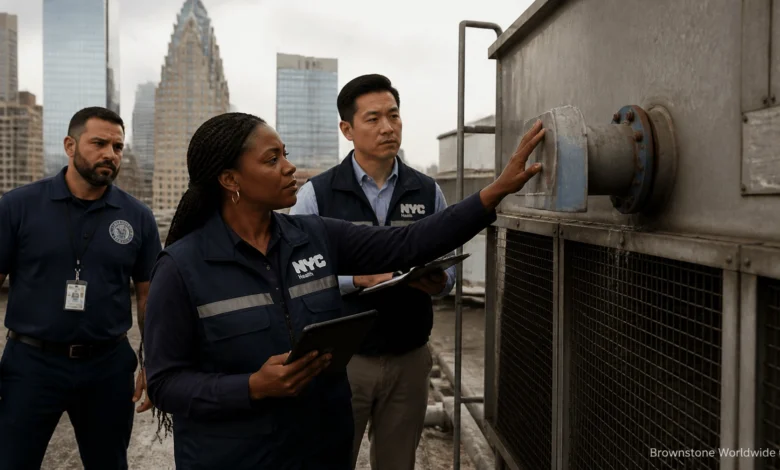
New York City health officials have confirmed a fifth fatality in an ongoing Legionnaires’ disease outbreak on the Upper East Side. The cluster has now reached 82 confirmed cases across the 10028, 10075, and 10128 ZIP codes. While NBC New York reports that 34 cooling towers tested positive for the bacteria and have since been disinfected, the city remains on high alert. Simultaneously, the nation is facing a staggering resurgence of measles, with ScienceAlert reporting 2,295 cases: the highest total in 35 years. On a global scale, the Ebola outbreak in the DR Congo has surpassed 2,400 cases with 967 deaths, while Texas monitors 98 cases of Cyclospora.

These overlapping health crises highlight a fragile moment for public safety. Whether it is the maintenance of urban infrastructure like cooling towers or the decline in routine vaccinations, these preventable outbreaks suggest that our collective safety nets are under significant strain. According to GMA, the measles surge is particularly concerning as it hits a milestone not seen since 1991, threatening communities that once considered the virus a thing of the past.

For those living in or visiting affected New York neighborhoods, it is important to monitor for flu-like symptoms, including fever, cough, and shortness of breath. While the Legionnaires’ source is believed to be contained and tap water remains safe, the rising measles numbers across the country mean that checking your family’s immunization records is more critical than ever. In Texas, the Cyclospora situation is reportedly under control, but the presence of nearly 100 cases serves as a reminder of the importance of food hygiene.

We recommend staying informed through local health department alerts and ensuring your cooling systems are professionally maintained. Take a moment to verify your MMR vaccine status and always wash fresh produce thoroughly to prevent parasitic infections. How is your local community handling these recent health alerts, and do you feel prepared for these rising trends? Join the conversation below and share your thoughts on how we can better support our neighbors during these outbreaks.