US and Saudi Arabia Sign Historic Nuclear Deal as Iran Conflict Intensifies

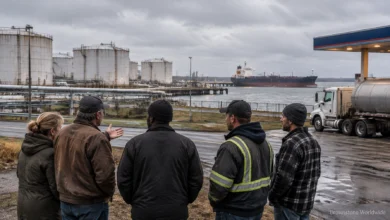
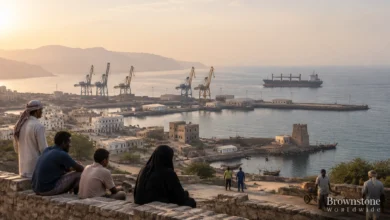
On July 23, 2026, the United States and Saudi Arabia finalized a historic 30-year civilian nuclear cooperation agreement. This "Section 123" pact, signed by Energy Secretary Chris Wright and Prince Abdulaziz bin Salman, marks a major shift by allowing Saudi Arabia to build reactors and potentially enrich uranium on its own soil. However, the celebration is shadowed by fire. As the ink dried, the U.S. conducted its 12th consecutive night of airstrikes against Iranian targets following an explosion on an oil tanker in the Strait of Hormuz.

This dual-track strategy matters because it redraws the security map of the Middle East. While the nuclear deal aims to cement a long-term strategic alliance and give U.S. firms like Westinghouse a lead in global energy infrastructure, the escalating military friction with Iran suggests a "zero-tolerance" policy. President Trump has issued a stark warning: for every commercial ship targeted in the Strait, the U.S. will destroy one Iranian bridge or power plant.

For most of us, these headlines mean more than just distant politics. Escalations in the Strait of Hormuz: the world’s most vital energy chokepoint: often lead to volatility in global oil prices and ripples through the financial markets. While the nuclear deal promises future energy stability, the immediate threat of infrastructure warfare could impact everything from travel costs to the price of household goods.

To stay ahead of these shifts, we encourage you to keep a close eye on our World News updates as this situation develops. If the news of global conflict feels overwhelming, remember that our NeighborCare Telehealth partners are available to help you manage stress during uncertain times.
How do you view the balance between nuclear cooperation and military deterrence in the Middle East? Does this new deal make the region more stable or more volatile? Share your thoughts in the comments below.