Trump Threatens EU with ‘Big Price’ Tariffs After Brussels Fines Google $1 Billion
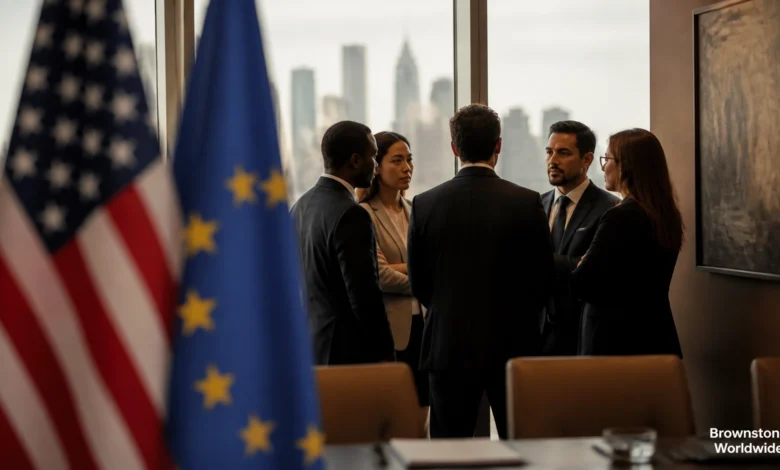
The global trade landscape shifted again this week as President Trump warned that the European Union would pay a “very big price” following a nearly $1 billion antitrust fine leveled against Google by Brussels regulators. According to reports from the Associated Press and Al Jazeera, the administration responded to the EU’s competition ruling by threatening immediate retaliatory tariffs and a trade investigation into what the President described as the targeting of American companies. This escalation adds a new layer of tension to the ongoing Turnberry Accord negotiations, which already see a 15% tariff baseline on most European exports.

Simultaneously, the administration has introduced a major condition to Middle Eastern energy policy. While a landmark U.S.-Saudi civilian nuclear cooperation agreement was recently signed, President Trump clarified that the deal is now contingent on Riyadh officially joining the Abraham Accords and normalizing relations with Israel. This move effectively ties multi-billion dollar nuclear infrastructure projects to the broader goal of regional diplomatic expansion.

For many of us, these high-level maneuvers represent more than just headlines in Brownstone Living Magazine; they signal potential shifts in the cost of imported goods and the stability of global tech services. When trade tensions rise, the impact often trickles down to consumer prices and the availability of technology we use daily.

To stay ahead of these changes, we recommend keeping a close eye on our news updates to see how these tariffs might affect your favorite brands. You can also visit the Brownstone Marketplace to check for current deals and price updates on essentials.
As we navigate these shifting alliances and economic pressures together, we want to hear from you. How do you feel about trade policy being used as leverage for international tech and energy deals? Does the connection between nuclear agreements and diplomatic accords make sense for the neighborhood’s long-term security? Join the conversation in the comments below.