Massive Congressional Turnover Looms as Midterm Elections Heat Up Nationwide

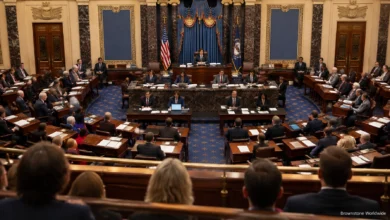
The 2026 midterm elections are shaping up to bring an unusually large number of new faces to Congress. At least 83 current House and Senate incumbents are not expected to return to their seats, according to a recent analysis by TIME.
The departures include lawmakers who are retiring, pursuing other offices, resigning, or losing primary elections. Ballotpedia reported that, as of July 26, 59 House members and 11 senators had announced they would not seek reelection. NPR’s tracker counted 72 lawmakers retiring or running for different offices as of late May.

The turnover matters because open seats are generally less protected than seats held by incumbents. Candidates must compete for their parties’ nominations and then face general-election voters without the advantage of an established officeholder. Nine House incumbents had already lost their 2026 primaries by early August, the highest number outside a national redistricting year since 1970, according to NBC News.
Control of Congress could be affected. All 435 House seats and 33 regular Senate seats are scheduled for election on November 3, with two additional Senate special elections listed by Ballotpedia. Republicans currently hold narrow majorities in both chambers, meaning relatively few competitive races could change the balance of power.

For voters, the most useful step is to look beyond national headlines. Check which offices will appear on your ballot, compare candidates’ records and positions, and confirm registration, early-voting, and absentee-ballot deadlines through your state election office. USAGov’s midterm election guide explains how House and Senate elections work and links to official voting resources.
The political map is still developing, but one conclusion is clear: this election will not simply decide party control. It will also determine who represents communities across the country: and how those new lawmakers respond to the priorities voters bring with them.

How is congressional turnover affecting the conversation in your community? Share your perspective with your neighbors and follow Brownstone Worldwide for continuing election coverage.
Sources: TIME, Ballotpedia, NPR, NBC News, USAGov.