US and Iran Hold First Talks Since June as Hormuz Reopening Hangs in the Balance
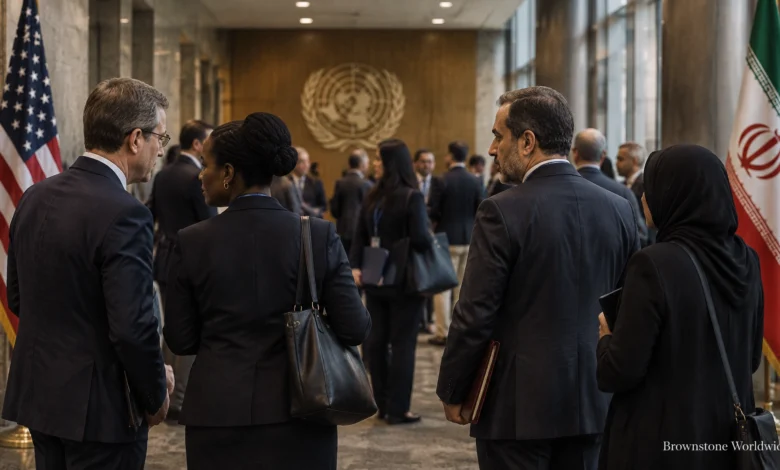
US and Iranian officials held their first talks since June on the sidelines of the United Nations General Assembly in New York. The three-hour, mediator-assisted meeting included US envoy Steve Witkoff and Iran’s Foreign Minister Abbas Araghchi. President Donald Trump described the discussion as “very good” and productive, according to Al Jazeera and the BBC.
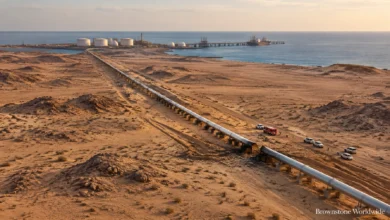
The diplomatic opening came alongside sharply different messages. Trump had earlier warned that he could “annihilate” Iran if the conflict remained unresolved. Meanwhile, Iran signaled that it could reopen the Strait of Hormuz within seven days if the United States lifts its naval blockade and reduces military pressure, according to CNBC. The waterway is a major route for global energy shipments, making any change there important far beyond the region.
The talks also unfolded as other high-stakes negotiations continued. Ukrainian President Volodymyr Zelenskyy met with Trump and offered a reciprocal energy ceasefire: Kyiv would halt strikes on Russian energy facilities if Moscow stopped targeting Ukraine’s power and heating infrastructure, Al Jazeera reported.
China’s ambassador to the United States separately warned that Taiwan and human rights remain non-negotiable red lines ahead of a planned Trump–Xi Jinping summit in Washington, according to this Reuters report. The US ambassador has said Trump holds “all the cards” in the Iran conflict, underscoring Washington’s confidence in its leverage.
For Americans, the immediate questions are whether diplomacy can lower military risk, stabilize energy markets and protect shipping. Readers should watch official announcements rather than assume Hormuz has reopened.
What do you think should come first: lifting pressure to reopen negotiations, or maintaining pressure until Iran agrees to broader terms? Share your view with the Brownstone Worldwide community.