
Audi’s First American Factory Is Coming to Georgia, and a County Is About to Change
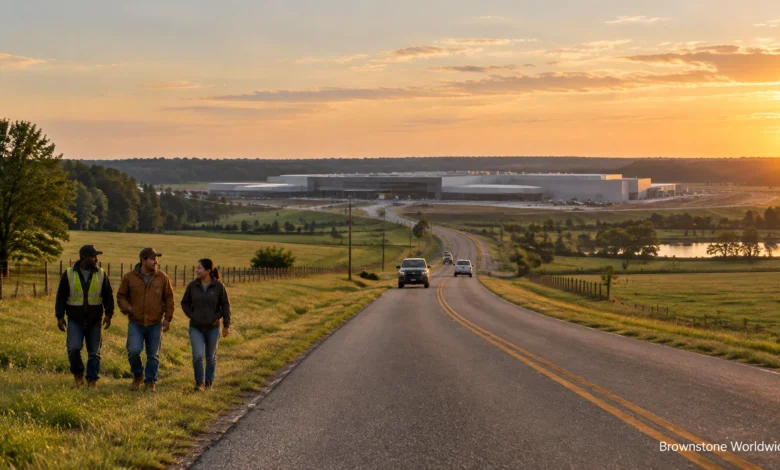
Peach County is preparing for a change that will take years to arrive. Audi has selected the Middle Georgia Megasite for its first U.S. production plant, a planned investment of roughly four billion dollars expected to bring about four thousand five hundred jobs to the region. The company’s CEO, Gernot Döllner, was present in Perry when the announcement was made. The factory is intended to build premium SUVs for the North American market. Georgia’s announcement and reporting from AP and Euronews describe the scale of the project.
A factory of this size can reach well beyond its gates. New jobs may bring steady paychecks into local households, while workers and suppliers spend money at nearby stores, restaurants and service businesses. That activity can create opportunity, but it can also put pressure on housing, rents, roads and public services. The announcement does not tell us exactly how those changes will unfold, or how many workers will live nearby. Those details will matter to the people who already call the area home, as well as to those who may move there for work.
Audi says the site is expected to begin grading in twenty twenty-seven, with construction planned for twenty twenty-eight. Production is expected in twenty thirty-one, with annual capacity of about two hundred thousand vehicles. In other words, this is a long runway, not an overnight transformation. CNBC reports that Audi sees U.S. production as part of its North American growth plans and a way to reduce exposure to tariffs on imported vehicles.
That time between announcement and the first shift is important. It gives Peach, Houston and Macon-Bibb counties room to plan for workforce training, school capacity, transportation and housing. Georgia says Audi will work with Georgia Quick Start and local technical-college campuses on training. The wages and hiring details residents will want to know are still to come. Communities benefit most when growth is planned with neighbors, not simply announced to them.
For readers elsewhere, the same questions apply whenever a major employer comes to town: Who can access the jobs? Will housing remain within reach? Can local businesses and infrastructure keep pace? Residents can follow county commission meetings, ask nearby colleges about workforce programs and encourage small businesses to plan for new customers. That people-first lens is part of Brownstone Living’s community coverage.
Has your town ever landed a major plant or employer? What changed for neighbors, and what do you wish the community had planned sooner?