AI in Energy Management: A Comprehensive Analysis
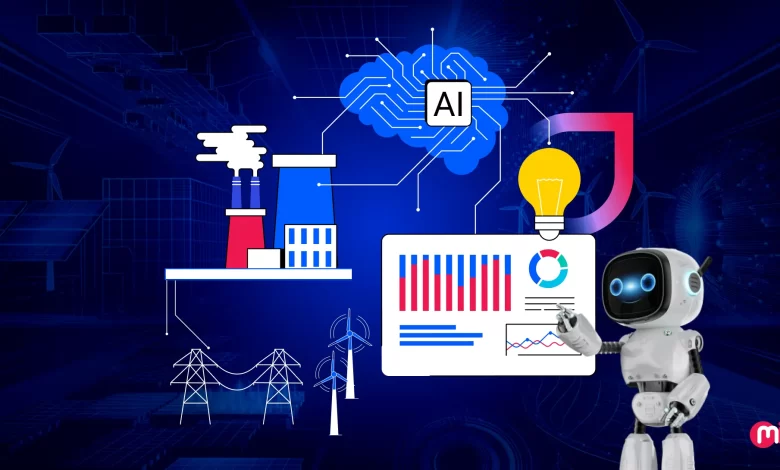
The energy market is on the verge of a significant transformation with the integration of artificial intelligence (AI) technologies. According to a report by Markets and Markets, the AI in the energy market is expected to grow to $58.66 billion by 2030 from $8.91 billion in 2024, showcasing a Compound Annual Growth Rate (CAGR) of 36.9%. This growth is attributed to the wide-ranging applications and benefits that AI brings to the energy industry.
AI in energy management involves leveraging technologies such as machine learning, deep learning, and advanced analytics to monitor, predict, optimize, and automate energy systems. Unlike traditional systems that follow predefined rules, AI-powered energy management systems learn from data, enabling them to make accurate predictions and smart decisions over time. These systems work alongside technologies like smart meters, sensors, IoT devices, and cloud platforms to create intelligent energy ecosystems that respond dynamically to real-world conditions.
Key applications of AI-powered energy management systems include electric utilities, renewable energy plants, commercial buildings, industrial facilities, data centers, microgrids, and smart cities. These systems optimize grid load, predict demand, detect faults, control HVAC systems, optimize energy-intensive processes, balance cooling and power usage in data centers, and coordinate distributed energy resources in microgrids and smart cities.
AI in energy management also offers various benefits such as improved energy efficiency, cost reduction, reduced carbon emissions, scalability, enhanced grid reliability, real-time decision-making, predictive insights, better utilization of renewable energy, improved energy market participation, and enhanced customer experience. These benefits contribute to a more efficient, sustainable, and intelligent energy management ecosystem.
Real-world examples of AI in energy management include Duke Energy’s predictive maintenance program, a commercial building on Jeju Island’s AI-powered energy management system, and MindInventory’s AI-powered solar installation system. These examples demonstrate the transformative impact of AI on the energy industry, leading to improved operational efficiency, cost savings, and enhanced sustainability.
However, implementing AI in energy management comes with its own set of challenges, including data quality and availability, high implementation costs, cybersecurity and data privacy risks, skill gaps, and regulatory compliance issues. To address these challenges, organizations need to invest in data quality, strategic planning, the right AI tools and platforms, collaboration between energy and IT teams, and continuous monitoring and optimization of the system.
Looking ahead, the future of AI in energy management is promising, with trends such as autonomous energy systems, AI-driven decentralized energy grids, integration with digital twins, and the role of AI in achieving net-zero goals. These trends signify a shift towards more autonomous, sustainable, and intelligent energy systems powered by AI technologies.
In conclusion, AI is reshaping the energy management landscape, offering a myriad of benefits and opportunities for organizations to optimize their energy systems. By implementing AI in energy management, organizations can achieve greater efficiency, cost savings, and sustainability, paving the way for a more resilient and intelligent energy future.