Americans are getting 2.5 billion robocalls a month — the highest level in years
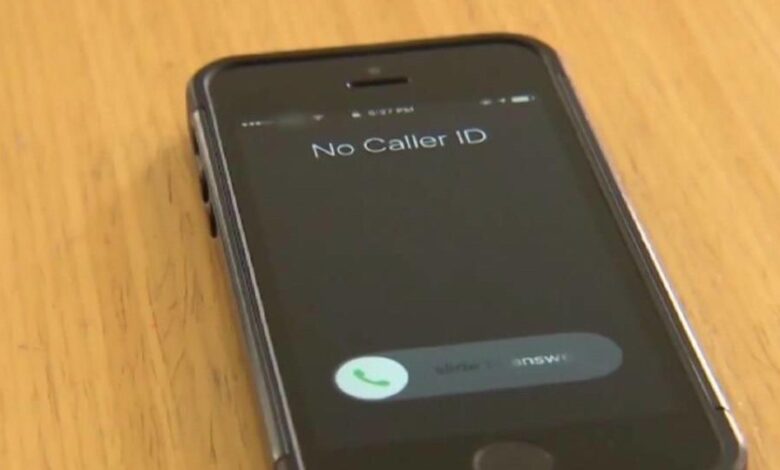
The Growing Epidemic of Robocalls and Robotexts Targeting Americans
Every day, millions of Americans fall victim to unsolicited automated calls and texts that aim to deceive them into revealing personal information or parting with their hard-earned money. A recent report by U.S. PIRG Education Fund, a consumer advocacy organization, highlights the alarming proliferation of scam and telemarketing calls and texts across the nation, despite efforts to curb them. As of September 28, 2025, less than half of the 9,242 phone companies registered with the FCC have implemented robocall-blocking software, leaving millions of Americans vulnerable to these predatory practices.
From January to September, Americans received an average of 2.56 billion robocalls per month, a significant increase from the previous year. Similarly, the volume of robotexts has skyrocketed since 2021, with scammers exploiting text messaging as a new avenue for their fraudulent activities. In 2024 alone, Americans received approximately 19 billion robotexts, nearly triple the number from 2021, according to data analyzed by PIRG.
These deceptive messages have become a daily nuisance for many individuals, with one-third reporting receiving at least one scam phone call per day and one-fifth receiving a scam text daily, according to the Pew Research Center.
Common Scam Tactics
Scams perpetrated through robocalls and robotexts take various forms, as outlined in PIRG’s report. Criminal organizations or scam operations orchestrate these schemes to extract sensitive personal information or illicit financial gains from unsuspecting victims. Some prevalent scams include:
- Impersonating IRS or financial institutions to solicit sensitive information
- Package delivery scams posing as reputable delivery services to lure victims into paying for non-existent packages
While some individuals manage to avoid falling prey to these scams, a significant portion have disclosed personal information to scammers following deceptive phone calls or texts, as per Pew’s findings.
Emergence of Advanced Scam Techniques
The surge in scam activities can be attributed to the growing sophistication of fraudulent tactics, aided by technologies like artificial intelligence. AI enables scammers to deploy bots that can simultaneously target thousands of individuals with fraudulent texts. Moreover, the advent of AI voice-cloning tools allows scammers to mimic trusted entities, such as friends or government officials, to deceive victims.
Despite a decline in robocalls until late 2023, the subsequent rise in automated texts and calls has resulted in increased financial losses for victims. According to the Federal Trade Commission, the average amount lost to scam robocalls and texts in the first half of 2025 was $3,690 and $1,452, respectively.
Regulatory Efforts and Challenges
In response to the escalating robocall crisis, Congress passed the TRACED Act in 2019, directing the FCC to mandate stricter regulations for phone companies to combat illegal robocalls. The FCC established a robocall mitigation database to monitor companies’ compliance with anti-robocall measures. However, as of September 28, only 44% of phone companies have fully implemented the required software and policies, showcasing the challenges in eradicating this pervasive issue.
The slow progress in tackling robocalls and robotexts underscores the need for continued vigilance and innovation to protect consumers from falling victim to these deceptive practices. As technological advancements empower scammers, collaborative efforts between regulators, phone companies, and consumers are essential to safeguarding individuals from financial harm and privacy breaches.