Are Trump’s $2,000 Tariff Refund Checks Still Happening?
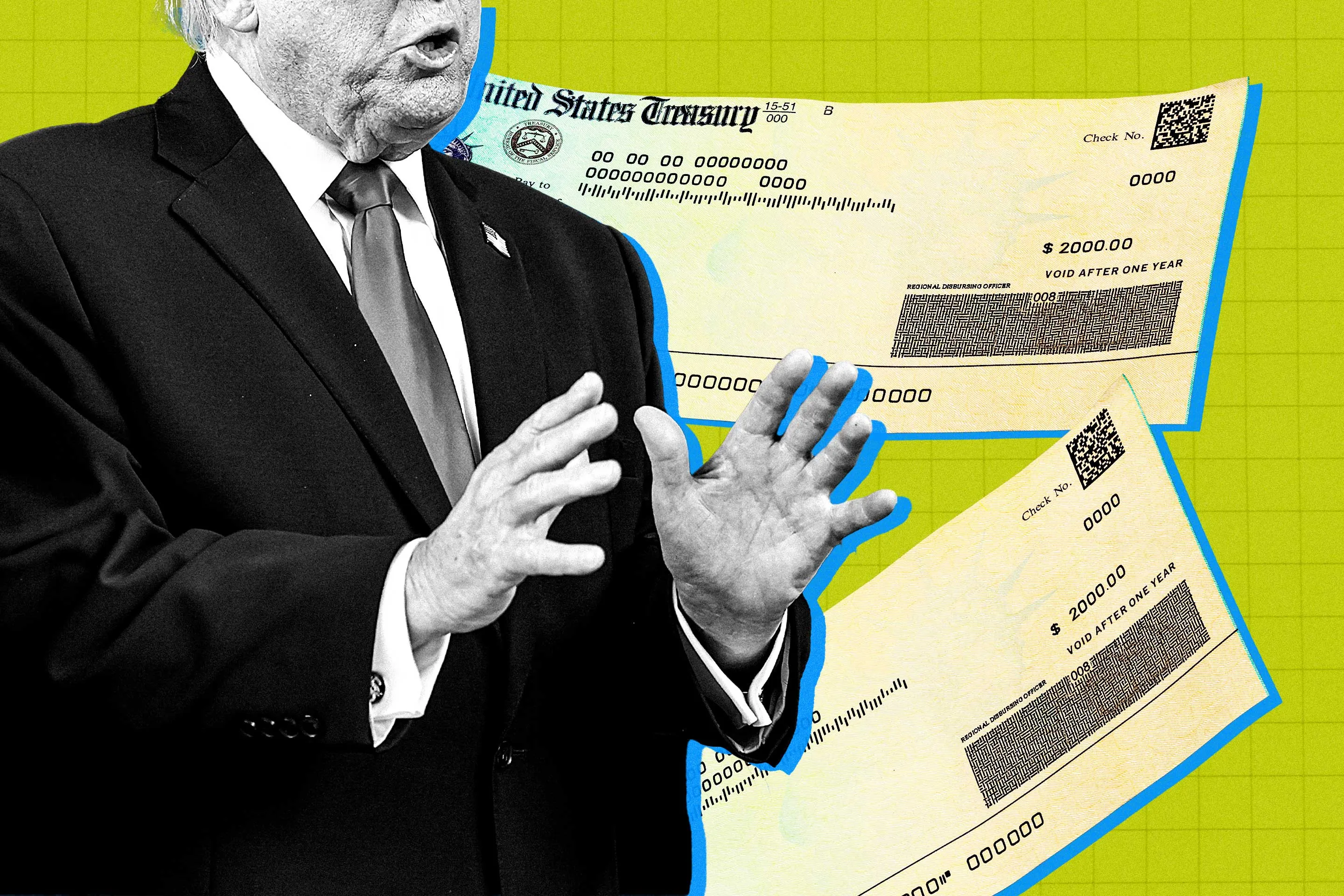
President Donald Trump has once again brought up the idea of sending $2,000 tariff-funded stimulus payments to Americans in a recent interview with the New York Times. This proposal, initially teased in November through social media posts and interviews, has sparked discussions about the feasibility and implications of such a plan.
In the interview, Trump mentioned that these payments could be expected “toward the end of the year,” a slight shift from his previous statement that they might come “probably in the middle of next year.” The concept of tariff “stimulus” or “dividends” is part of a series of recent ideas the president has floated, including 50-year mortgages and a 10% cap on credit card interest rates. These proposals are seen as a response to the ongoing concerns about affordability and financial insecurity among Americans.
However, economists are skeptical about the practicality of Trump’s plan. The Urban-Brookings Tax Policy Center estimates that tariffs will cost the typical family $2,110 this year, raising questions about the source of funding for these proposed payments. The Committee for a Responsible Federal Budget has projected that Trump’s tariff refund check proposal could cost up to $600 billion, significantly impacting the federal deficit.
Furthermore, there are legal and logistical challenges to implementing such a plan. While Trump believes he can issue payments without congressional approval, experts argue that legislation is required for the White House to distribute funds. The process of determining eligibility, structuring the program, and executing the rollout would be a complex and time-consuming task, especially considering the current strain on the IRS.
In light of these challenges, some suggest that the administration may opt to rebrand existing tax breaks or authorized transfers of funds as tariff rebates. This tactic, while potentially politically expedient, may not address the underlying issues of affordability and financial stability faced by many Americans.
Ultimately, the question remains whether Trump’s proposed tariff refund checks would be a viable solution to economic concerns or simply a political talking point. As the debate continues, the focus shifts to how policymakers can address the pressing financial needs of individuals and families in a meaningful and sustainable way.