At Wimbledon, a player’s lament about loneliness revives a conversation about mental health
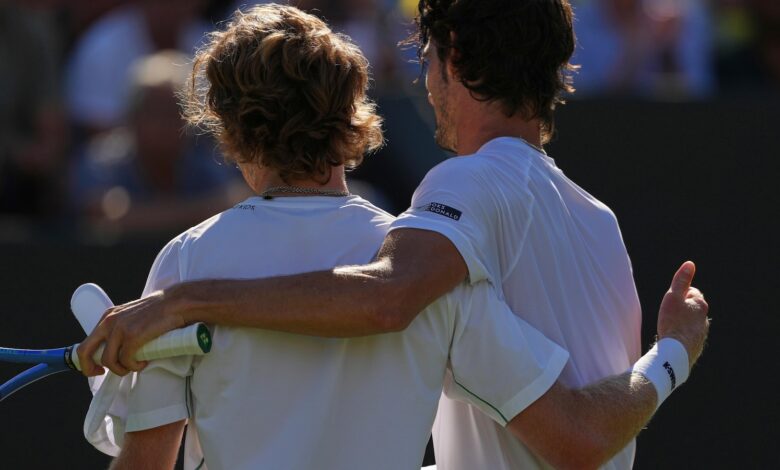
The conversation surrounding mental health in sports was reignited when Naomi Osaka bravely spoke out about her struggles with anxiety and depression during the 2021 French Open. Since then, more athletes have come forward to share their own experiences and seek help, breaking down the stigma associated with mental health issues.
Recently, Alexander Zverev, a three-time Grand Slam finalist, opened up about his mental health struggles after a disappointing first-round exit at Wimbledon. He expressed feeling alone and struggling to find a way out of his current state of mind. His candid remarks have once again brought attention to the importance of addressing mental health issues in the sporting world.
Players at Wimbledon were quick to respond to Zverev’s words, offering empathy and advice. Amanda Anisimova, a former French Open semifinalist, shared her own journey of taking time off due to burnout and the positive impact it had on her mental well-being. She emphasized the importance of self-reflection, seeking support from trusted individuals, and taking breaks when needed.
Top-ranked player Aryna Sabalenka also highlighted the significance of seeking help and talking openly about mental health struggles. She revealed that she had worked with a therapist for five years and emphasized the importance of sharing one’s experiences to prevent internal struggles from taking a toll.
Madison Keys, a title winner at the Australian Open, has also been vocal about her reliance on therapy to cope with the pressures of professional tennis. She emphasized the importance of separating one’s identity as a tennis player from their personal self, acknowledging that losses and expectations can impact one’s mental well-being.
When asked about the possibility of seeking therapy, Zverev admitted that he might consider it for the first time in his life, acknowledging his current feelings of emptiness and lack of joy. Other players, like Andrey Rublev, echoed the sentiment that tennis is merely a trigger point for internal struggles that need to be addressed.
The conversation surrounding mental health in sports continues to evolve, with more athletes speaking out and seeking help when needed. It is crucial to prioritize mental well-being alongside physical health to ensure overall success and happiness both on and off the court.
For more updates on tennis and sports, visit https://apnews.com/hub/tennis.