Bank of England holds rates, further cut in 2025 hangs in the balance
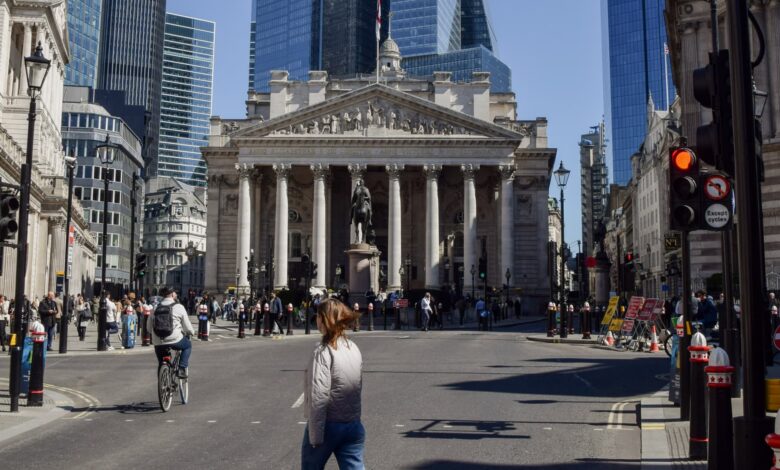
The Bank of England decided to maintain interest rates at 4% on Thursday, taking into account the persistent inflation in the UK alongside an uncertain economic growth outlook and job market conditions.
The monetary policy committee voted 7-2 to keep rates unchanged, with two members suggesting a 25 basis point reduction in the “Bank Rate.” The central bank’s focus remains on curbing inflationary pressures to achieve the 2% target in the medium term.
While there was no expectation of a rate cut in September, economists were eager to see the voting split and receive guidance on future monetary policy decisions. The possibility of a rate cut in November hangs in the balance, with the upcoming meeting being closely watched for any hints on further easing.
The latest decision follows a report showing no change in the inflation rate in August, with the consumer price index remaining at 3.8%. The Bank of England remains vigilant of temporary inflation increases impacting wage and price-setting processes.
Looking ahead, the central bank forecasts inflation peaking at 4% in September before easing in early 2026. With concerns about a slowdown in growth and investment, coupled with a cooling job market and slowing wage growth, the argument for a potential rate cut in the coming months gains momentum.
The upcoming Autumn Budget announcement in November adds to the uncertainty, with potential tax rises to address budget shortfalls. The Bank of England’s cautious approach is evident as it assesses the economic landscape before considering further easing measures.
Economists emphasize the importance of observing a downward trend in services and core inflation before advocating for additional rate cuts. Premature rate cuts could reignite inflationary pressures, thus the central bank is likely to proceed cautiously to maintain stability.
Overall, the Bank of England’s decision reflects a balanced approach to managing inflation, growth, and investment in the UK economy.