Can Trump Suspend the Federal Gas Tax to Lower Prices?

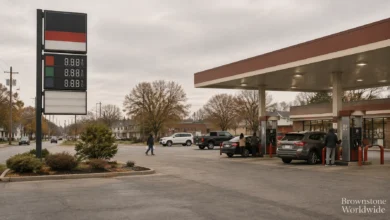
Gas prices continue to be a major concern for Americans as they soar to unprecedented levels. In response to this crisis, President Donald Trump has announced plans to suspend the federal gas tax of 18.4 cents per gallon. This move comes after average gas prices surpassed $4.50, causing a strain on the wallets of consumers across the country.
The decision to suspend the gas tax is a bold and unprecedented one. The power to tax lies with Congress, not the president, and the gas tax has never been suspended since its inception in 1932. Trump’s announcement has raised questions about the legality of such a move, with experts suggesting that Congress would need to fast-track a bill for this to become a reality.
Prior to Trump’s announcement, efforts to suspend the gas tax had stalled in Congress. The Gas Prices Relief Act of 2026, which aims to suspend the gas tax until October 1, has limited bipartisan support. Democrats are hesitant to support the measure, citing alternative solutions such as ending the war in Iran, which is a key factor driving up gas prices due to the blockage of the Strait of Hormuz.
On the other hand, fiscally conservative Republicans are concerned about the impact of a gas tax suspension on the national deficit, which reached $1.8 trillion last fiscal year. Despite these challenges, Sen. Josh Hawley has announced plans to introduce separate legislation to suspend the gas tax, indicating growing support for relief measures among lawmakers.
As the Iran war continues to escalate, gas prices have surged by 52% in just over 10 weeks. The average cost of filling up a tank has reached $63.28, with federal gas taxes accounting for $2.58 of that amount. Trump has reassured Americans that gas prices will plummet once the conflict ends, but the prolonged nature of the war has left consumers frustrated.
In addition to federal gas taxes, drivers also pay state gas taxes averaging over 30 cents per gallon. Trump has urged states to offer gas tax relief, with only three states – Georgia, Indiana, and Utah – heeding the call so far. Georgia’s 60-day suspension of the gas tax has provided temporary relief to motorists, but the future of this measure remains uncertain.
The impact of rising gas prices on American households cannot be overstated. As policymakers grapple with solutions to alleviate the burden on consumers, the debate over gas tax suspension continues to unfold. With mounting pressure to address the issue, it remains to be seen how lawmakers will navigate this complex and pressing issue in the coming months.