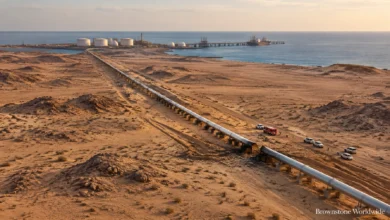
Cargo Ship Struck in Strait of Hormuz as US and Iran Offer Conflicting Accounts on Talks
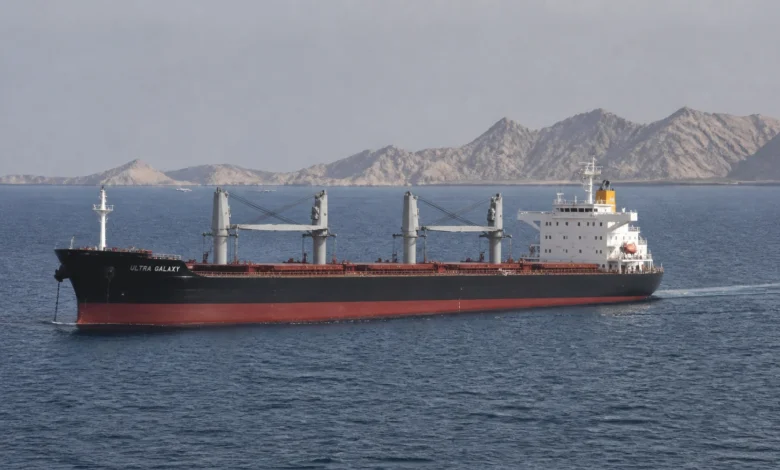
A Singapore-flagged cargo vessel was recently struck by a projectile near the Strait of Hormuz, triggering renewed tensions as Washington and Tehran trade conflicting claims over the status of fragile peace negotiations. While U.S. officials attribute the strike to regional proxy forces and emphasize strict enforcement of maritime corridors, Iranian leadership insists that routing protocols were ignored, flatly denying direct bilateral talks while indirect discussions continue through regional mediators like Oman and Qatar.

This escalation directly threatens a recently brokered regional ceasefire designed to keep vital energy and commercial shipping lanes open. When critical chokepoints face military friction, international trade stability hangs in the balance, instantly reverberating through global diplomatic channels and commodity markets.

For everyday households, headlines from the Middle East might feel distant, but maritime disruptions quickly trickle down to local economies. Fluctuating oil prices and shipping delays can drive up costs for consumer goods, groceries, and fuel right in our own neighborhoods, making family budgeting and small business planning even more challenging.

To stay ahead of shifting economic ripples, it is wise to support resilient local businesses and keep a close eye on your household expenses. You can explore our Brownstone Worldwide homepage for ongoing updates on global news, financial tips, and community resources to help your family navigate uncertain times.
How do you think international diplomatic efforts can better protect global supply chains while addressing regional security concerns? Share your perspective in the comments below.