China’s Golden Week’ travel boom masks a bruising price war
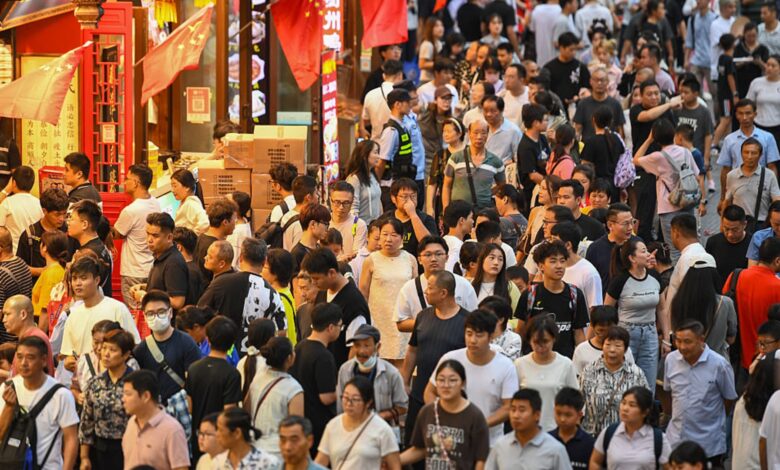
This trend of seeking deals and avoiding peak travel times is likely to continue as China’s tourism industry becomes increasingly competitive. With more players entering the market and offering discounted rates, travelers have more options than ever before.
For businesses in the tourism sector, this means adapting to the new reality of involution and finding ways to differentiate themselves from the competition. Whether it’s through unique experiences, personalized services, or innovative marketing strategies, companies will need to stay ahead of the curve to attract customers and remain profitable.
As the industry continues to evolve, it will be interesting to see how businesses and travelers alike adapt to the changing landscape. One thing is for certain: in a hyper-competitive market like China’s tourism industry, only the most innovative and customer-focused companies will thrive.
Hotel prices in late September were observed to be about 20% cheaper than during the Golden Week, according to a report. Additionally, mid-holiday airfares were more than 30% cheaper than at the start of the break, providing travelers with more affordable options for their trips.
Alibaba-owned travel booking site Fliggy reported that average spending per travel booking increased by 14.6% compared to the previous year. The site also highlighted that cheaper flights became available starting the weekend after the holiday, including a flight from Shanghai to Hong Kong for less than 400 yuan ($56).
Official data indicated a surge in road trips during the holiday period, with an average of 304 million trips per day, predominantly by car. This trend reflects a preference for domestic travel and exploration among Chinese tourists.
Bruce Pang, an adjunct associate professor at CUHK Business School, commented on the economic impact of the Golden Week, stating, “The Golden Week unleashed a wave of energy across China: record-breaking travel, booming business activity, and fresh spending trends all gave domestic demand a solid boost.”
Despite the positive trends in travel and spending, Pang noted that it might take some time for the consumer price index to return to positive year-on-year growth. Factors such as soft food prices and oil prices compared to their peak levels could influence the overall inflation rate in the coming months.
Official consumer price data for August showed a 0.4% decline from the previous year, but a 0.9% increase when excluding food and energy prices. In the tourism sector, prices rose by 0.7% year over year in August, but were 0.3% lower for the January to August period compared to the same period in 2024.
Travel platforms also reported a surge in demand for accommodations in smaller cities, where prices tend to be more budget-friendly. Tongcheng, a Chinese booking site, revealed that hotel bookings in at least 30 smaller cities and less developed areas more than doubled compared to the previous year.
Looking ahead, China’s inflation data for September is scheduled to be released on October 15, followed by retail sales data on October 20. Retail sales only grew by 3.4% in August from a year ago, falling short of analysts’ expectations.
Overall, the post-Golden Week travel trends and spending patterns indicate a resilient domestic tourism market in China, with opportunities for both travelers and businesses to benefit from the diverse offerings and competitive pricing in the industry.