Colorado develops new permitting plan for 5 air toxics, pollution
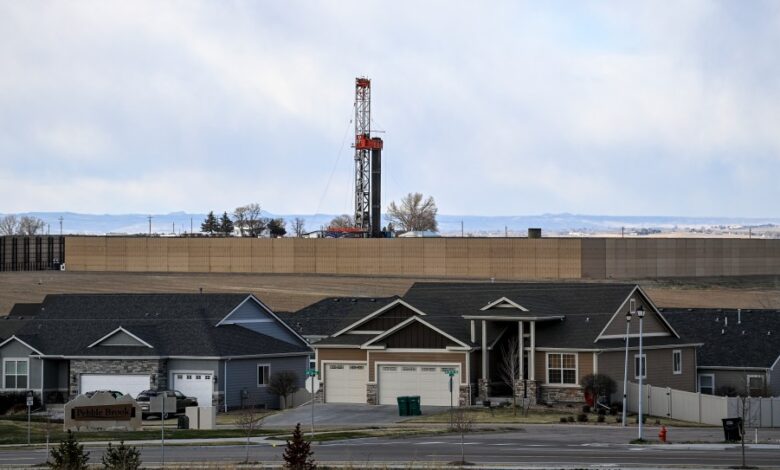
Colorado Regulators Working on New Permitting System for Toxic Air Pollutants
Colorado regulators are in the process of developing a new permitting system for five toxic air pollutants that will require millions of dollars to implement. This plan will need legislative approval during a tight budget year.
Earlier this year, the state’s Air Quality Control Commission approved the five toxics that the state should monitor. This month, they set health-based standards to determine the levels of these toxics in the air that can pose risks for cancer, asthma, reproductive health problems, and other illnesses.
The state agency responsible for creating the rules is now working on a proposal outlining how the state should write and enforce permits for industries, including oil and gas.
Industry leaders anticipate that they will bear the cost of these new regulations through fees, as the legislature grapples with cutting nearly $1 billion in spending. Carly West, Executive Director of the American Petroleum Institute Colorado, stated, “The budget will influence every decision made in the upcoming year. There will certainly be a state cost, and it’s likely to be a fee-based regulation.”
Environmental advocates believe that the regulation of air toxics, mandated under the 2022 bill called Public Protections From Toxic Air Contaminants, will lead to cleaner air and improved public health in the state.
Rachael Jaffe, an associate attorney at Earthjustice working on the policy, emphasized, “This is an opportunity for Colorado to protect community members from toxic air contaminants that are not currently regulated at the federal level. All of these pollutants have significant health impacts.”
The Air Quality Control Commission identified the five pollutants that will be newly regulated in the state:
- Benzene: A carcinogen released during the burning of fossil fuels, including in car exhaust and oil and gas operations. It can cause various health issues including cancer and respiratory problems.
- Formaldehyde: A colorless, odorless gas found in household products and from burning fossil fuels. High exposure levels can lead to cancer.
- Ethylene oxide: Used in various products and can cause cancers in humans.
- Hexavalent chromium: A by-product of industrial processes that can cause cancer and impact multiple organs.
- Hydrogen sulfide: A highly toxic gas that can cause various health issues even at low exposure levels.
The commission recently approved health-based standards for these pollutants, establishing safe levels of exposure. The standards are based on both cancer and non-cancer risks.
Both environmentalists and industry representatives acknowledge that the new standards were formulated using science-based evidence. The next step is how these standards will be applied in permitting and enforcement, according to West.
During a recent public hearing, the Colorado Department of Public Health and Environment’s Air Pollution Control Division presented a draft plan on how the air toxics permitting will be carried out.
The division is required to submit its report to the Colorado General Assembly by the end of the year. The estimated cost of implementing the program ranges from $3.7 million to $10.7 million, depending on the chosen plan.
The new program will impact over 3,000 businesses in Colorado, with the oil and gas industry expected to be the most affected due to high levels of air pollution emissions.
The division has proposed four options for businesses to obtain permits, ranging from universal permitting to targeted permitting based on exposure rates in different areas.
Public input at the meeting emphasized the need to regulate as many polluters as possible and to enforce emission reductions, especially in neighborhoods with high levels of pollution.
Stay informed with more Colorado news by subscribing to our Mile High Roundup email newsletter.