Concerns over fairness, access rise as states compete for slice of $50 billion rural health fund

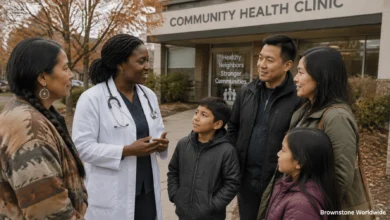
Echo Kopplin, a dedicated physician assistant in rural South Dakota, is advocating for the allocation of funds from a new $50 billion federal rural health fund to address the transportation challenges faced by residents in remote areas. At a recent meeting hosted by state officials, Kopplin emphasized the importance of providing support to individuals with limited access to transportation, citing a recent incident where one of her rural patients missed crucial appointments due to a broken-down car and lack of public transportation options.
The Rural Health Transformation Program, introduced as part of a larger tax and spending legislation, has garnered significant attention from healthcare professionals, patient advocates, and technology executives across the nation. With all 50 states submitting applications for the program, there is a collective effort to leverage the funding to improve healthcare access and outcomes in rural communities.
Themes emerging from state applications include workforce development, telehealth expansion, and initiatives to enhance access to healthy food. States like Kansas are exploring innovative programs such as “Food is Medicine,” while Wyoming is proposing a state-sponsored health insurance plan called “BearCare” for medical emergencies.
However, concerns have been raised about the potential misuse of funds and the distribution of resources to larger healthcare systems instead of smaller, independent hospitals that serve rural populations. Critics worry that the program may not effectively reach those in need, especially as states face substantial Medicaid spending reductions over the next decade.
Despite the challenges and uncertainties surrounding the program, there is a shared optimism among healthcare professionals like Kopplin. While she acknowledges that the rural health fund may offer temporary relief, she believes that it may not fully address the systemic issues faced by rural communities. Kopplin sees the program as an opportunity for states to experiment with new ideas and learn from both successes and failures in advancing rural healthcare.
As the CMS Administrator Mehmet Oz emphasized the importance of “right-sizing the healthcare system” through the program, there is a growing consensus that the innovations developed in rural areas will have broader implications for healthcare delivery in suburban and urban settings. With a focus on improving access to care, enhancing telehealth services, and addressing social determinants of health, the Rural Health Transformation Program aims to drive positive change in underserved communities across the country.
Kopplin’s advocacy for better transportation options in rural South Dakota reflects the pressing need for targeted interventions to support vulnerable populations. While the road ahead may be challenging, the commitment of healthcare professionals, state leaders, and federal agencies to address the unique healthcare needs of rural America is a promising step towards building a more equitable and inclusive healthcare system for all.