Dr. Oz pledges to tackle hospice fraud: “Do not steal from the American people”
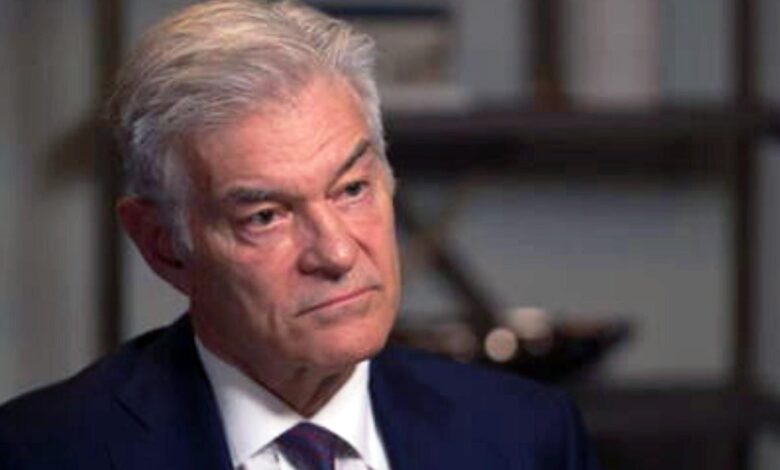
Dr. Mehmet Oz, the administrator for the Centers for Medicare and Medicaid Services under the Trump administration, has taken a strong stance against hospice providers who are defrauding taxpayers. In a recent interview with CBS News, Oz pledged to lead an effort to decertify any hospice providers found guilty of stealing identities or overbilling for services.
Hospice care is meant to provide terminally ill patients with pain relief and dignity in their final days. However, the industry has been plagued by bad actors who are billing the government for services they never provided or for patients who are not even sick. A CBS News investigation raised concerns about fraudulent charges in California, where a high number of hospice providers operate.
According to data from the U.S. Department of Health and Human Services Office of the Inspector General, suspected hospice fraud amounts to an estimated $198.1 million nationwide. Oz’s agency plays a crucial role in overseeing hospice care, as Medicare funds are used to reimburse hospices for their services.
Oz’s plan is to decertify half of the hospices in California that are deemed illegitimate based on certain criteria. He emphasized that the issue of fraud in hospice care is not limited to California, but it is a national problem that requires bipartisan cooperation to address.
As California grapples with the issue of hospice fraud, Governor Gavin Newsom’s administration has been proactive in cracking down on fraudulent providers. The state launched a multi-agency Hospice Fraud Task Force to investigate and prosecute fraudsters. Despite these efforts, Oz expressed concerns about the willingness of California to collaborate with the federal government in addressing the issue.
The state has already revoked around 280 hospice licenses, but more needs to be done to protect vulnerable patients from falling victim to identity theft and fraudulent practices. Oz’s agency has developed a checklist of red flags that indicate potential fraud schemes, which will prompt on-site visits to investigate further.
Real victims of hospice fraud, like Lynn Ianni, have spoken out about the devastating impact of having their identities stolen and used for fraudulent purposes. Ianni described feeling unprotected and abused by a broken system that failed to provide a remedy for the harm caused.
In conclusion, Dr. Oz’s efforts to combat hospice fraud are crucial in safeguarding taxpayer dollars and ensuring that vulnerable patients receive the care they deserve. Collaborative efforts between state and federal agencies are essential to root out fraudulent providers and protect the integrity of the hospice care system.