E-Commerce Slows Sharply Amid Tariffs and Uncertainty
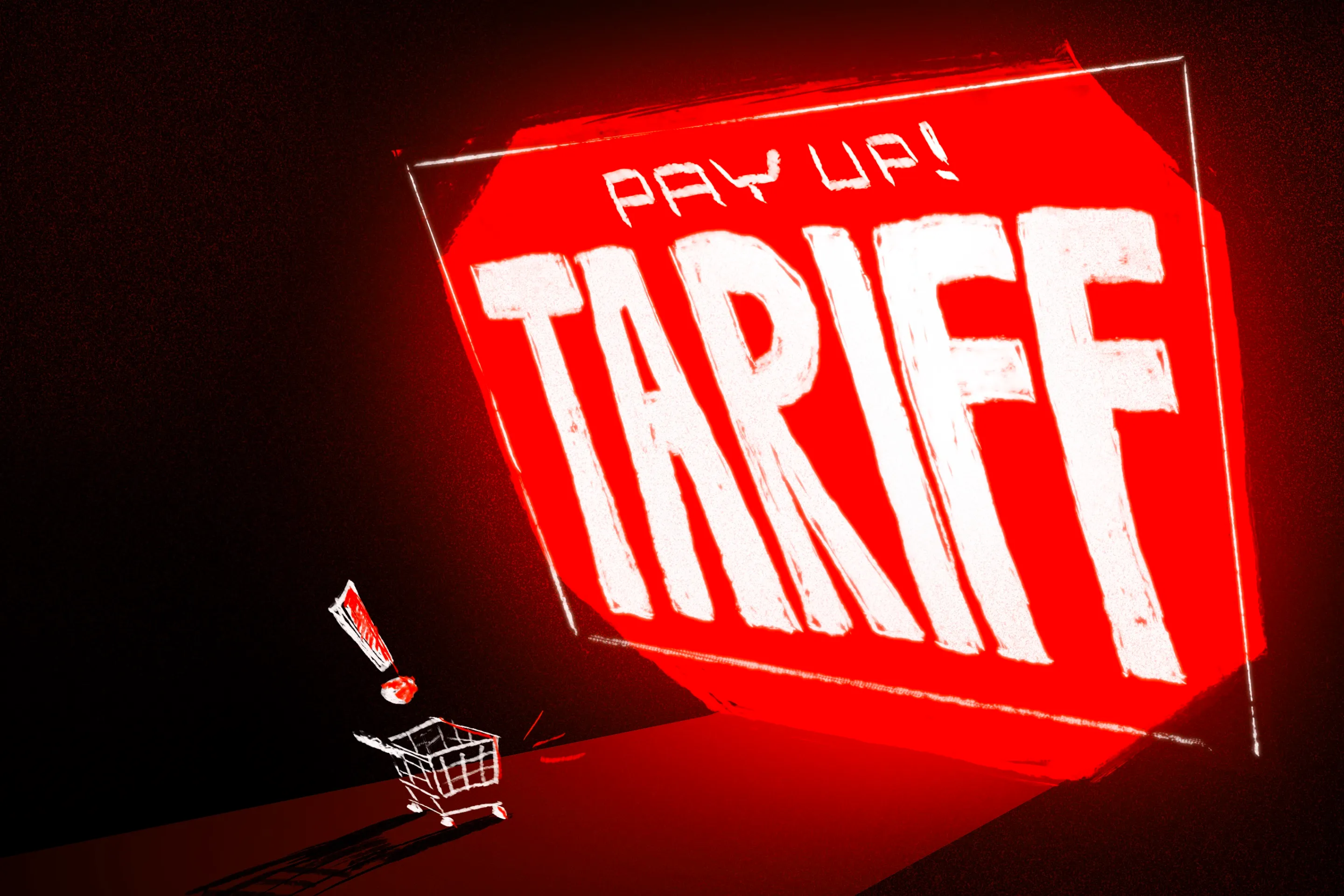
The e-commerce industry is currently facing its biggest slowdown in more than a decade, primarily due to tariffs on imported goods and the resulting economic uncertainty. A recent report from AlixPartners, a management consulting firm, revealed that online purchases have decreased across all product categories except groceries for the first time since the survey’s inception in 2012.
According to the report, the most significant declines in online shopping were observed in big-ticket items such as furniture, home furnishings like rugs and window treatments, large electronics, and sporting goods. The survey, which included responses from 1,000 U.S. consumers, indicated double-digit decreases in the percentage of consumers who reported recent purchases of these items compared to the previous year.
President Donald Trump’s tariff policies were identified as the primary driver of this shift in consumer behavior. The report highlighted that consumers are more aware of tariffs and how they impact their purchasing decisions. The current tariff landscape includes a blanket tariff of 10%, higher reciprocal tariffs on specific countries, and additional levies, resulting in importers paying an effective tariff rate of 21% as of May 11.
As a consequence of these tariffs, online shoppers are experiencing increased prices on items, particularly those imported from China and other Asian countries subject to higher levies. The report also noted that Gen Z consumers, known for purchasing from overseas e-retailers like Shein and Temu, are now facing challenges due to the imposition of new tariffs and the closure of loopholes for low-priced goods.
The survey data collected in May and early June revealed that 34% of respondents are delaying purchases in response to tariffs, while 28% are accelerating their purchase timelines to avoid higher costs. Overall, AlixPartners presented a pessimistic outlook for online shopping, indicating that stakeholders in the e-commerce industry are unlikely to find much to celebrate in the current environment.
In conclusion, the impact of tariffs on e-commerce is undeniable, with consumers adjusting their buying behavior in response to increased costs. As the industry navigates these challenges, it is essential for businesses to adapt to changing market conditions and consumer preferences to remain competitive in the evolving landscape of online retail.