FDA approves another generic abortion pill
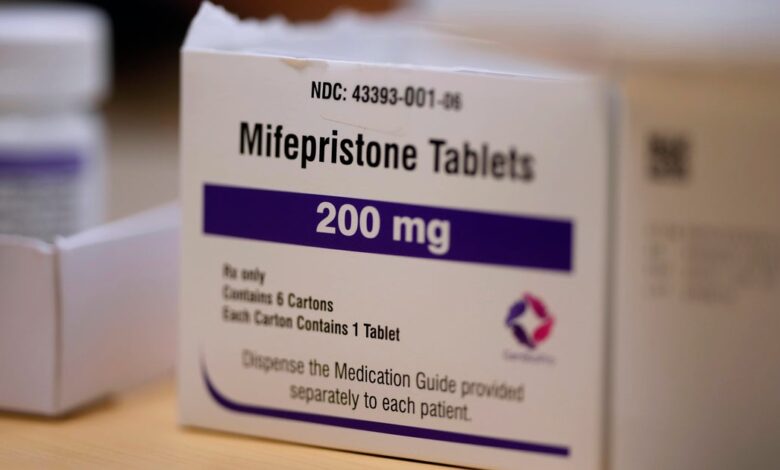
The FDA has recently approved another generic version of the abortion pill mifepristone, which has sparked controversy among anti-abortion groups and politicians aligned with the Trump administration. Evita Solutions, a drugmaker, announced on their website that the FDA has given the green light to their affordable version of the pill, which is used to terminate pregnancies up to 10 weeks. This marks the second approved generic version of mifepristone, following GenBioPro’s approval in 2019.
However, this decision has faced backlash from conservative figures. Senator Josh Hawley of Missouri criticized the move, stating that he has lost confidence in the FDA’s leadership. Kristan Hawkins, President of Students for Life of America and Students for Life Action, also expressed concerns about the safety of the drug, calling it dangerous. Marjorie Dannenfelser, president of Susan B. Anthony Pro-Life America, condemned the FDA’s decision, calling it reckless.
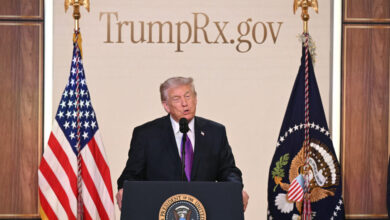
President Trump’s health officials are under pressure from abortion opponents to reevaluate mifepristone, despite its long-standing approval by FDA scientists. Health Secretary Robert F. Kennedy Jr. and FDA Commissioner Dr. Marty Makary have pledged to conduct a safety review of the drug in response to the criticism.
While some fear that the FDA’s decision could lead to expanded access to abortion drugs, others argue that generic versions of drugs are a routine part of the pharmaceutical industry. Evita Solutions, the company behind the newly approved generic, emphasizes the importance of providing safe and affordable abortion care to all individuals.
Access to mifepristone is still restricted in many states due to laws that ban abortion or impose restrictions on the drug’s use. Despite ongoing legal battles, major medical societies, including the American Medical Association, support access to mifepristone and medication abortions.
The controversy surrounding mifepristone highlights the ongoing battle over abortion rights in the United States. While the FDA’s approval of a generic version may not significantly impact access to the pill, it underscores the political and social divisions surrounding reproductive rights in the country.