FDA approves Nuzolvence, new pill for gonorrhea
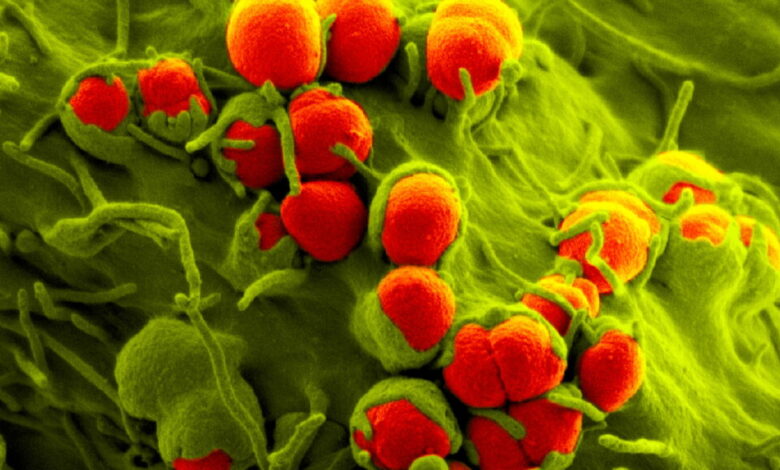
A groundbreaking new oral antibiotic has recently received approval from the Food and Drug Administration for the treatment of gonorrhea, marking a significant milestone in the fight against this common sexually transmitted infection. This approval comes shortly after another new drug was also licensed for the same purpose, highlighting the urgent need for alternative treatments as the bacterium Neisseria gonorrhoeae continues to evolve and develop resistance to existing antibiotics.
The newly approved medication, known as Zoliflodacin and to be marketed as Nuzolvence, represents a major advancement in the field of gonorrhea treatment. Unlike previous antibiotics, Zoliflodacin specifically targets gonorrhea infections and is the first drug of its kind to be developed in decades. The development of this drug was made possible through a collaborative effort between Entasis Therapeutics, now part of Innoviva Specialty Therapeutics, and the Global Antibiotic Research and Development Partnership (GARDP), a nonprofit organization dedicated to addressing drug-resistant pathogens on a global scale.
GARDP’s Executive Director, Manica Balasegaram, hailed the approval of Zoliflodacin as a significant breakthrough in the battle against multidrug-resistant gonorrhea, a problem that has been escalating in recent years. The drug’s approval opens up new possibilities for the treatment of uncomplicated urogenital gonorrhea in individuals aged 12 and over, providing a much-needed alternative to the current standard of care.
In addition to Zoliflodacin, another new drug called Blujepa, developed by GSK, has also received supplemental approval for the treatment of gonorrhea. These oral antibiotics offer a more accessible and convenient treatment option compared to the traditional intramuscular injection of ceftriaxone. With the rise of resistance to ceftriaxone reported in various countries, the introduction of these new drugs is a crucial step in combating the global burden of gonorrhea, which affects millions of individuals each year.
Both Zoliflodacin and Blujepa have demonstrated efficacy in clinical trials, with Zoliflodacin showing promise in treating infections in the rectum and throat as well. While further research is needed to establish their effectiveness in these areas, clinicians are optimistic about the potential of these new treatments to address the evolving challenges posed by drug-resistant gonorrhea.
As we continue to confront the threat of antibiotic resistance, the approval of these new oral antibiotics represents a significant victory in the ongoing battle against gonorrhea. By leveraging innovative approaches to drug development and prioritizing global health needs, we can hope to stay one step ahead of the evolving threat posed by drug-resistant pathogens. The availability of these new treatment options offers renewed hope for patients and healthcare providers alike, paving the way for a brighter future in the fight against gonorrhea.