Friday’s jobs report will be delayed because of the partial government shutdown
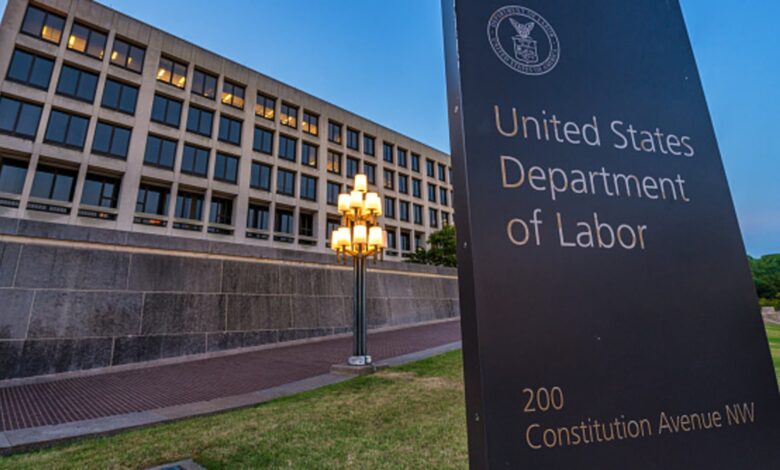
The US Department of Labor headquarters building in Washington, DC, is seen at dusk in June 2024. Unfortunately, the Bureau of Labor Statistics will not be releasing the January jobs report as scheduled on Friday due to the partial government shutdown. Emily Liddel, associate commissioner of the BLS, confirmed that the release will be rescheduled once government funding resumes.
Last year’s record shutdown, which lasted into early November, also caused delays in several routine releases by the bureau. These releases include the consumer price index, import and export data, and various other labor- and consumer-related data pieces. It remains uncertain whether the Commerce Department will also face reporting delays due to the ongoing government impasse.
The delay comes at a time when there was a busy week expected for economic data releases, with the nonfarm payrolls report being a highlight. This report provides information on how many hires businesses have made (nonfarm payrolls count) and the household survey results on employment, which determines the unemployment rate. Market expectations for the report included a 55,000 job increase and a steady unemployment rate of 4.4%.
In addition to the nonfarm payrolls report, the BLS was also set to release the Job Openings and Labor Turnover Survey on Tuesday. However, with the government shutdown in effect, these releases have been put on hold.
The shutdown occurred after Congress failed to reach a spending agreement by the deadline, with one of the main issues being funding for the Department of Homeland Security amidst concerns over illegal immigration. House Speaker Mike Johnson, R-La., expressed optimism over the weekend that the impasse could be resolved by Tuesday.
As the government shutdown continues to impact various agencies and their operations, the rescheduling of important economic data releases like the January jobs report serves as a reminder of the broader implications of political gridlock on the economy. It is essential for policymakers to find common ground and reach timely agreements to ensure the smooth functioning of government operations and the timely release of crucial economic data.