GOP Sen. Tom Cotton questions new Intel CEO Lip-Bu Tan over alleged ties to Chinese military
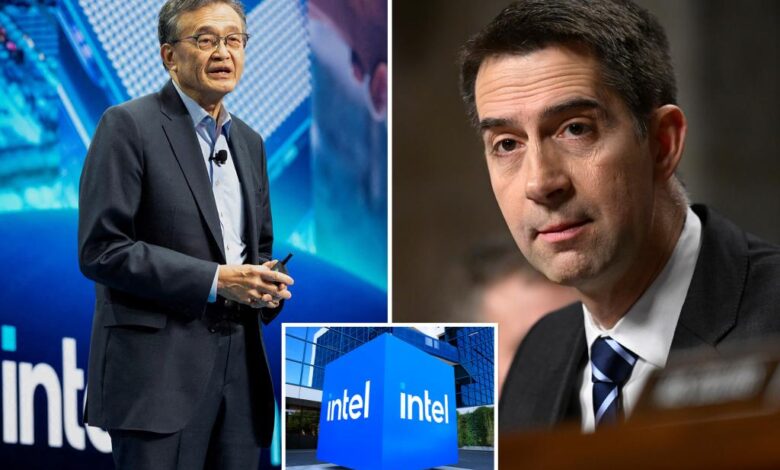
A Top GOP Senator Calls on New Intel CEO to Disclose Ties to China
Senator Tom Cotton, a prominent Republican, has urged the newly appointed Intel CEO, Lip-Bu Tan, to disclose any connections he may have with China’s Communist Party and military. This request comes amid growing concerns about national security implications.
Cotton expressed his worries in a letter addressed to Intel Chairman Frank Leary, emphasizing the need to ensure the security and integrity of Intel’s operations in light of potential impacts on US national security.
Lip-Bu Tan took over as Intel’s CEO in March, following the departure of former chief Pat Gelsinger. The company had received a substantial $8 billion in funding under the Biden-era CHIPs Act just a year prior.
The senator’s concerns were sparked by a report revealing that Tan had invested over $200 million in numerous Chinese companies between 2012 and 2024. Some of these firms, particularly in advanced manufacturing and semiconductor industries, have alleged ties to the Chinese Communist Party and military.
Cotton questioned whether Tan had divested from these investments before assuming his current role and whether he had disclosed any remaining stakes to the US government, given Intel’s significant federal funding.
Intel responded by affirming its commitment to national security and regulatory compliance, pledging to address Cotton’s inquiries by the specified deadline of August 15.
The company’s receipt of substantial federal funding, including $8.5 billion under the CHIPs program, underscores the importance of maintaining transparency and adherence to security regulations. Cotton emphasized that Tan’s associations raise questions about Intel’s ability to fulfill these obligations.
Despite reports of Tan divesting from Chinese firms, concerns linger as some investments are still listed in Chinese databases. While US citizens can legally hold stakes in Chinese companies, there are restrictions on dealings with banned entities listed by the US Treasury.
Furthermore, recent developments involving Cadence Design, where Tan previously served as CEO, have raised additional concerns. The company agreed to a settlement exceeding $140 million for selling chips to a Chinese military university linked to nuclear simulation activities during Tan’s tenure.
As the scrutiny continues, Intel faces mounting pressure to ensure transparency and accountability in its operations under Tan’s leadership.