Government shutdown keeps many CDC experts from pivotal meeting
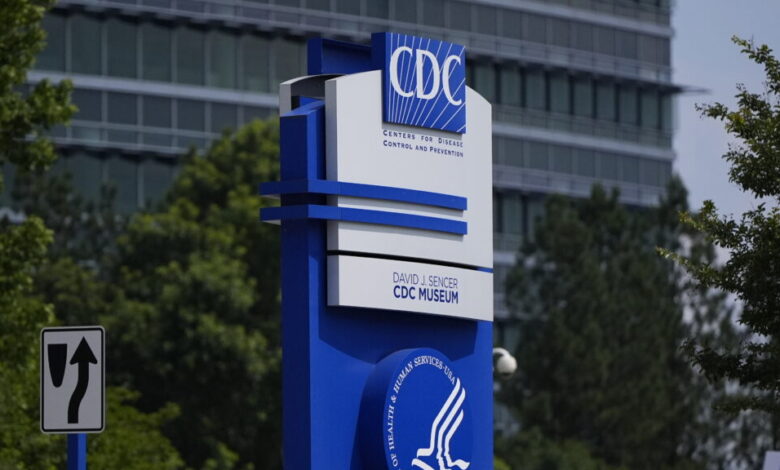
The ongoing government shutdown has had a significant impact on the CDC researchers, who are now unable to attend the crucial IDWeek conference on infectious diseases. This conference serves as a vital platform for experts to exchange information on various threats such as bird flu, superbugs, and HIV. The CDC usually sends a large number of researchers and outbreak investigators to this event, but this year, due to the shutdown, only a handful of CDC scientists were scheduled to speak, and none of them were able to attend.
The decision to host the conference in Atlanta, home to the CDC headquarters, was made over a year ago. However, since President Trump’s inauguration, there have been restrictions on CDC’s participation in medical meetings, leading to layoffs and funding cuts. The absence of CDC experts at such a critical time, when diseases like measles and whooping cough are on the rise, is a cause for concern.
Despite the challenges posed by the shutdown, some researchers are stepping up to fill the void left by the CDC. Dr. Michael Osterholm from the University of Minnesota announced the launch of a new open-access publication called Public Health Alerts to disseminate important information similar to the CDC’s Morbidity and Mortality Weekly Report. Additionally, a collaboration of foundations is pooling resources to fund research that the government has halted.
Dr. Anna Yousaf, a CDC infectious disease doctor, shared her frustration at being unable to present her research on long-term outcomes of COVID-19-infected children at the conference due to the shutdown. She believes that the HHS’s actions are hindering the dissemination of scientific information, which is crucial for addressing public health threats.
The government shutdown has not only affected the CDC’s ability to participate in important conferences but has also impeded the sharing of critical research findings. As researchers and medical professionals strive to navigate these challenges, it is essential to find alternative ways to ensure that valuable information reaches those who need it most.