Health creator Doctor Mike rips AMA over misinformation response
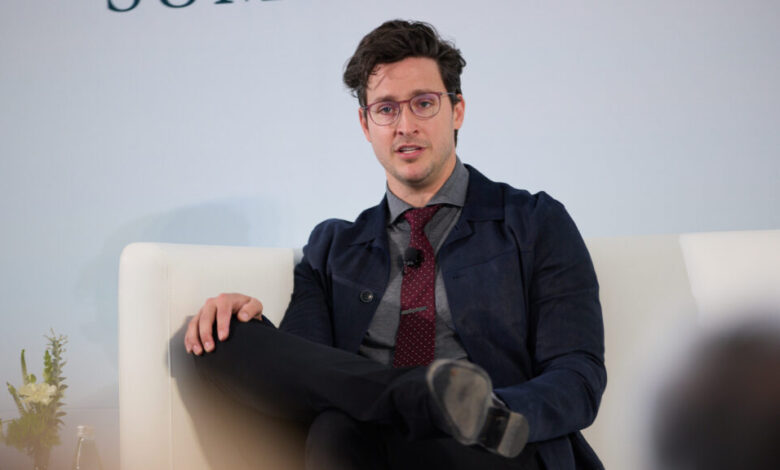
As the fight against medical misinformation continues to intensify, one physician and YouTube content creator is leading the charge. Mike Varshavski, known as Doctor Mike on YouTube, has amassed a following of 14 million by effectively communicating medical information in a clear and entertaining manner. At the recent STAT Summit, he expressed his frustration with traditional medical organizations, like the American Medical Association (AMA), for not reaching a mass audience in the same way.
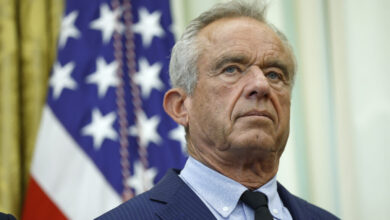
Varshavski pointed out a recent incident where health secretary Robert F. Kennedy Jr. made false claims about doctors profiting from keeping Americans sick. Despite this misinformation spreading rapidly, the AMA’s response only reached a limited audience, failing to effectively counter the false narrative. Varshavski emphasized the importance of professional medical organizations being more approachable and utilizing high-quality communication methods to combat misinformation effectively.
The criticism of the AMA’s advocacy strategy is part of a broader push from physicians, especially younger ones, for more vocal and visible advocacy from the organization. Varshavski highlighted the need for evidence-based voices online to combat the rise of misinformation, especially during the pandemic. He stressed the importance of using platforms like YouTube to reach a broader audience and educate them on accurate medical information.
By infusing comedy and silliness into his content, Varshavski has been able to engage a wider audience and bring attention to important medical topics. He draws inspiration from non-medical YouTube creators with large followings, aiming to make scientific education more accessible and engaging for viewers. However, he believes that public health leaders need to join in the effort to effectively disseminate accurate medical information to the public.
In conclusion, Varshavski’s efforts to combat medical misinformation on YouTube serve as a model for engaging and educating the public. By leveraging the power of social media and online platforms, he hopes to continue expanding his reach and making a positive impact on public health education. The need for evidence-based voices and approachable communication from medical organizations is more critical than ever in the fight against misinformation.