Healthcare App Development Guide You’ll Need in 2025
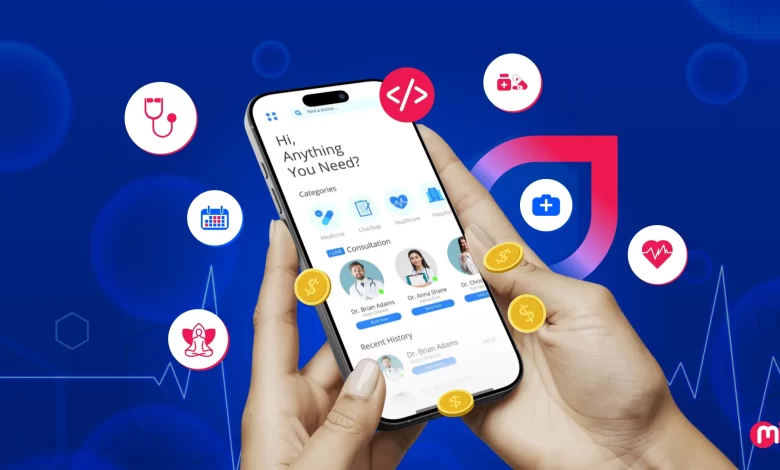
Healthcare mobile app development has become essential in modern medicine, as it offers patients and healthcare providers convenient access to medical information, remote consultations, and streamlined workflows. Understanding the development process, core features, and associated costs is crucial for anyone looking to innovate in this space. In this article, we will delve into the clear roadmap on how to develop a healthcare app that is engaging, compliant, and effective.
The global mHealth market is growing rapidly, with the market size expected to reach USD 158.3 billion by 2030. This growth is driven by the increasing adoption of smartphones and the demand for remote patient care. From telehealth platforms to chronic disease management apps, the possibilities in the healthcare app market are endless.
Creating a world-class healthcare app requires more than just a great idea. It involves understanding user needs, adhering to regulatory standards like HIPAA, and following a robust development process. In this article, we will provide a step-by-step guide on how to build a high-impact healthcare solution.
Types of Healthcare Apps:
1. Telemedicine Apps: Facilitate remote consultations between patients and healthcare providers.
2. Patient Management Systems: Manage patient data, track treatments, and streamline workflows.
3. Appointment Booking Apps: Integrate scheduling for medical appointments.
4. Medication Apps: Provide medication management tools for healthcare providers.
5. Chronic Disease Apps: Targeted at patients with chronic conditions, offering symptom tracking and communication tools.
6. Wellness Apps: Focus on proactive health management, promoting a healthy lifestyle.
7. Health Education Apps: Provide educational information on various health topics.
8. Women’s Health Apps: Focus on women’s health issues, offering resources and tools customized to their unique needs.
Benefits of Healthcare App Development:
For Medical Professionals:
– Built-in Diagnostic Systems
– Telemedicine and Telehealth
– Better Service and Equipment Management
– Resource Optimization and Cost Reduction
– Improved Patient Compliance and Follow-up
For Patients:
– High-Quality Patient Care
– Accessible Healthcare Data
– On-Demand Accessible Care
– Cost Saving and Financial Relief
– Health, Confidence, and Peace of Mind
The Healthcare App Development Process:
1. Conduct Market Research
2. Define Functionalities and Features
3. Choose the Right Technology Stack
4. Design UI/UX
5. Develop and Conduct QA
6. Deploy, Maintain, and Modernize the App
Must-Have Features for Healthcare Apps:
– User-friendly UI/UX
– Telemedicine & Video Consultation
– Appointment Reminders & Scheduling
– Prescription Management & Refills
– Wearable Device Integration
– EHR/EMR Integration
– Symptom Checker
– 24/7 Support
How to Estimate Healthcare App Development Costs:
Factors that Impact the Cost:
– Complexity of the App
– Features and Functionalities
– Technology Trends
– UI/UX Design
– App Platform Selection
– Backend Complexity
– Hosting and Server Costs
– Third-party Integration
– Development Team Size
– Location of Development Team
Conclusion:
Healthcare mobile app development offers significant opportunities for improving patient care and provider efficiency. Building a successful healthcare app requires strategic planning, feature prioritization, and a strong development partner like MindInventory. By following the roadmap outlined in this article, you can create a high-impact healthcare solution that meets the needs of patients and providers.
FAQs:
– What features should be used in developing a healthcare app?
– How much does it cost to develop a healthcare app?
– How to choose an app development company for a healthcare app?
– How can I estimate ROI for my healthcare app development?
In conclusion, healthcare mobile app development is a rapidly growing field with immense potential for innovation and improvement in patient care. By following the best practices and guidelines outlined in this article, you can build a successful healthcare app that meets the needs of both patients and healthcare providers.