Here are all the tariffs staying in place after Supreme Court rules against Trump administration
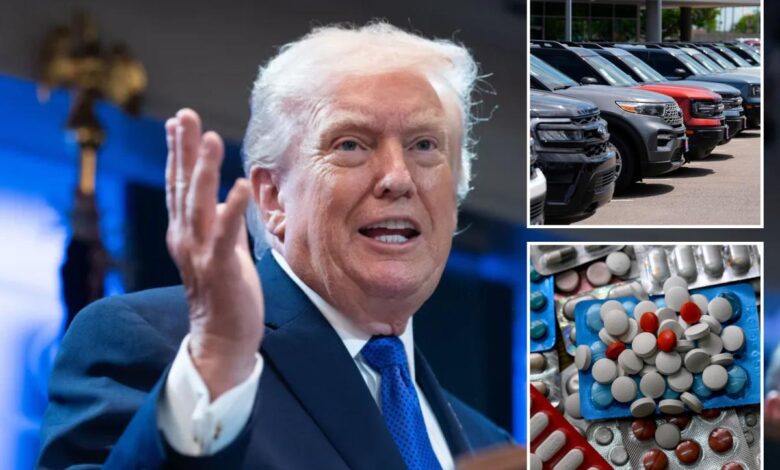
The Supreme Court recently invalidated a significant portion of President Trump’s tariffs, citing that they exceeded his presidential authority. However, tariffs imposed under Section 232 of the Trade Expansion Act of 1962, aimed at safeguarding US national security, remain intact. Despite the ruling, certain industries still face substantial tariffs.
Automotive:
Foreign vehicles and auto parts continue to be subject to 25% tariffs, initially imposed by Trump to incentivize increased manufacturing within the US. Although agreements have been reached with countries like the UK and Japan to reduce these tariffs to 10-15%, the status of South Korea’s tariffs remains uncertain.
Steel and Aluminum:
Imports of steel and aluminum are still burdened with 50% tariffs, impacting companies selling home appliances, electronics, and beverage brands utilizing aluminum cans.
Semiconductors:
A 25% tariff on specific semiconductors and chipmaking equipment, effective since last month, remains in force.
Pharmaceuticals:
Tariffs as high as 250% on pharmaceuticals have been delayed following agreements with major drug manufacturers. If these tariffs are implemented using Section 232, they will persist. In an effort to promote US production, pharmaceutical companies have voluntarily agreed to lower drug prices to avoid tariffs for at least three years.
Overall, the aftermath of the Supreme Court’s decision has left several industries grappling with the implications of ongoing tariffs, impacting both domestic and international companies.