Here’s what immigration attorneys say about Trump’s $100,000 H-1B fee
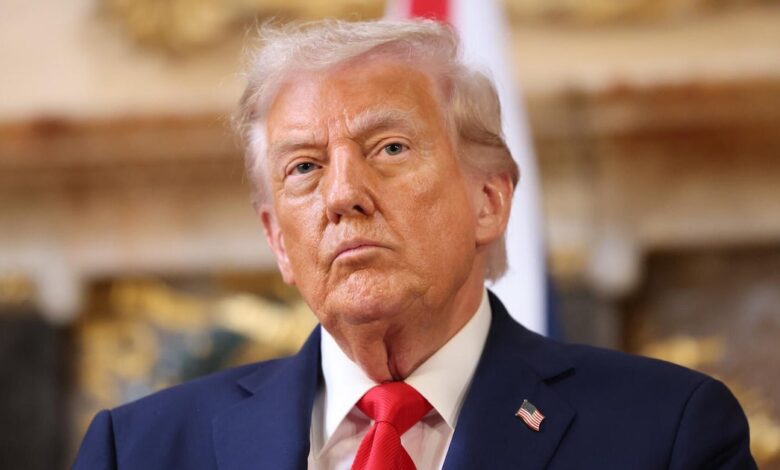
The Trump administration’s recent announcement of a new $100,000 fee for H-1B visa applications has caused confusion among immigrant workers and their employers. This fee, unveiled in a proclamation by President Trump, marks a significant shift in a program that has allowed millions of immigrants to work legally in the U.S. The H-1B visa has been a vital tool for the technology industry, with companies like Amazon, Apple, Google, and Microsoft relying on it, as well as the financial sector.
In response to the new policy, the White House has clarified that the fee only applies to new visa applications and not to current H-1B holders. However, some tech companies, including Google and Microsoft, have advised their H-1B employees who were traveling outside the U.S. to return immediately, raising concerns about re-entry without the $100,000 payment.
Employers are typically responsible for paying the application fees for H-1B workers, but the new fee could deter many from sponsoring new applicants due to the significant cost increase. The White House’s goal is to encourage companies to prioritize hiring American workers over foreign talent.
The $100,000 fee went into effect on September 21 and must be paid with any new H-1B visa application. While the USCIS has already reached its applicant cap for the current fiscal year, new applicants in the next fiscal year will be subject to the fee. Current H-1B holders are not required to pay the fee for visa renewals or changes, but there are still uncertainties surrounding travel outside the U.S. and potential implications for those applying for changes.
The new fee is expected to have a chilling effect on skilled foreign workers coming to the U.S., impacting industries beyond tech, such as healthcare. The majority of H-1B visa holders are from India, followed by China, with recipients also coming from countries like Canada, South Korea, and Mexico.
A national security exemption in the proclamation allows for certain workers, companies, and industries to be exempt from the fee if they serve the national interest without posing a threat to U.S. security. However, details on how to apply for exemptions and which agency will handle them are still unclear.
The White House has not provided information on the national security exemption process, leaving many questions unanswered. As the situation unfolds, employers and employees are advised to stay informed and seek guidance on navigating the changes to the H-1B visa program.