Here’s what it really means for Trump to get control of the Federal Reserve board
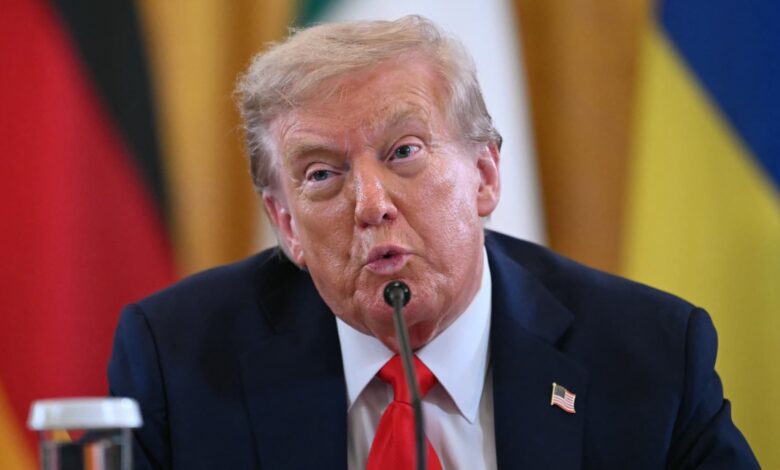
President Donald Trump’s recent attempt to remove Federal Reserve Governor Lisa Cook has sparked a debate about the independence of the central bank and the potential consequences of political interference in monetary policy. Trump’s actions have raised concerns about the erosion of the Fed’s credibility and the long-term impact on the economy.
The Federal Reserve, often considered above politics, plays a crucial role in setting monetary policy to ensure economic stability. Trump’s efforts to influence the Fed’s decisions, including threats to remove Chair Jerome Powell and now attempting to unseat Governor Cook, have raised alarms about the politicization of the institution.
Critics warn that allowing political influence over the Fed could undermine key pillars of the American financial system. Central bank independence is essential to making unpopular decisions, such as raising interest rates to combat inflation, without external pressure.
Trump’s push to reshape the Fed’s policies stems from his belief that lower interest rates could help manage federal debt and stimulate the housing market. However, legal scholars, financial experts, and current and former Fed officials caution that politicizing the central bank could have far-reaching consequences.
The Board of Governors plays a critical role in regulating banks, setting interest rates, and ensuring the stability of the financial system. Allowing political influence over these decisions could jeopardize the Fed’s ability to fulfill its mandate of maintaining price stability and full employment.
While some argue that the Fed needs reforms to address mission creep and policy mistakes, others caution against compromising the central bank’s independence. Mohamed El-Erian suggests incorporating external members into the policymaking process to prevent groupthink and reconsidering the Fed’s inflation target.
Former Fed officials and legal experts warn that Trump’s actions pose a significant threat to the central bank’s independence. Efforts to remove governors and influence monetary policy could undermine the Fed’s credibility and lead to economic instability.
Despite Trump’s attempts to reshape the Fed, the potential impact remains uncertain. With a few vacancies on the board and court challenges looming, the outcome of this power struggle is uncertain. The Fed’s future as an institution and its ability to maintain independence will depend on how this conflict unfolds.
In conclusion, the debate over Fed independence is a critical issue with far-reaching implications for the economy and financial markets. Trump’s efforts to influence the central bank could have lasting consequences and threaten the Fed’s credibility. As the power struggle continues, the future of the Federal Reserve hangs in the balance.