How the Denim Industry Is Reshaping for a Cautious Market
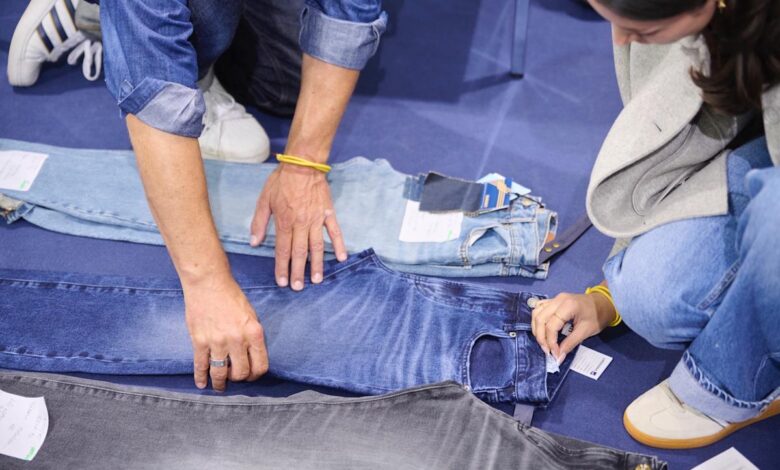
The Fall/Winter 2026-2027 denim season came to a close with a sense of caution and concern that had been present since the start of the season back in April. Suppliers at Munich-based Bluezone discussed how they are adapting their collections to meet the more conservative buying patterns of brands for the upcoming season. Despite being focused on the German market, conversations around issues such as U.S. tariffs and Europe’s shrinking denim market continued to dominate the event.
Panos Sofianos, the curator of Bluezone, described the current state of the industry as “business as unusual.” Dilek Erik, global marketing manager at Sharabati Denim, emphasized the need for the denim industry to constantly evolve and adapt to changing circumstances rather than simply reacting to them.
Automation has been key to the longevity and evolution of Tejidos Royo, a Spanish mill with a 122-year history. By modernizing and streamlining production processes, the company has been able to compete with more efficient manufacturers in cheaper countries while preserving its family-run legacy.
Approximately 40 international denim mills showcased their latest developments at the show, which was relocated from Zenith Halle to MOC. While the move allowed for closer integration with Munich Fabric Start, attendees and exhibitors expressed nostalgia for the separate denim-focused venue.
Looking ahead to the next seasons, Tejidos Royo is consolidating its collections while relocating its factories and investing in new finishing machinery. Purvis emphasized the importance of focusing on proven products to ensure timely deliveries and customer satisfaction.
Changes are also underway for other brands like PG Luxury by Isko, which is shifting to producing concept collections every 2-3 months to better respond to market demands. Isko is expanding its presence in Asian markets, while Calik Denim is implementing a Net-Zero strategy to minimize its carbon footprint.
In terms of fabric trends, Tencel and modal blends are popular, as well as recycled cotton and fiber blends. Brands like Arvind and Bossa are focusing on classic denim looks, while Royo is exploring 100% recycled cotton denim sourced from old bed linens.
Felde Fibres is scaling up its production of hemp, linen, and nettle fibers, highlighting their traceable and sustainable qualities. Realteks is establishing organic farms for cotton supply, while Isko is embracing Eastman Naia fiber in denim production.
Overall, the denim industry is navigating challenges and embracing sustainability and innovation to meet the evolving demands of the market. The focus on quality, sustainability, and adaptability will continue to drive the industry forward in the seasons to come.