How the September 2025 Fed Rate Cut Will Impact Your Wallet
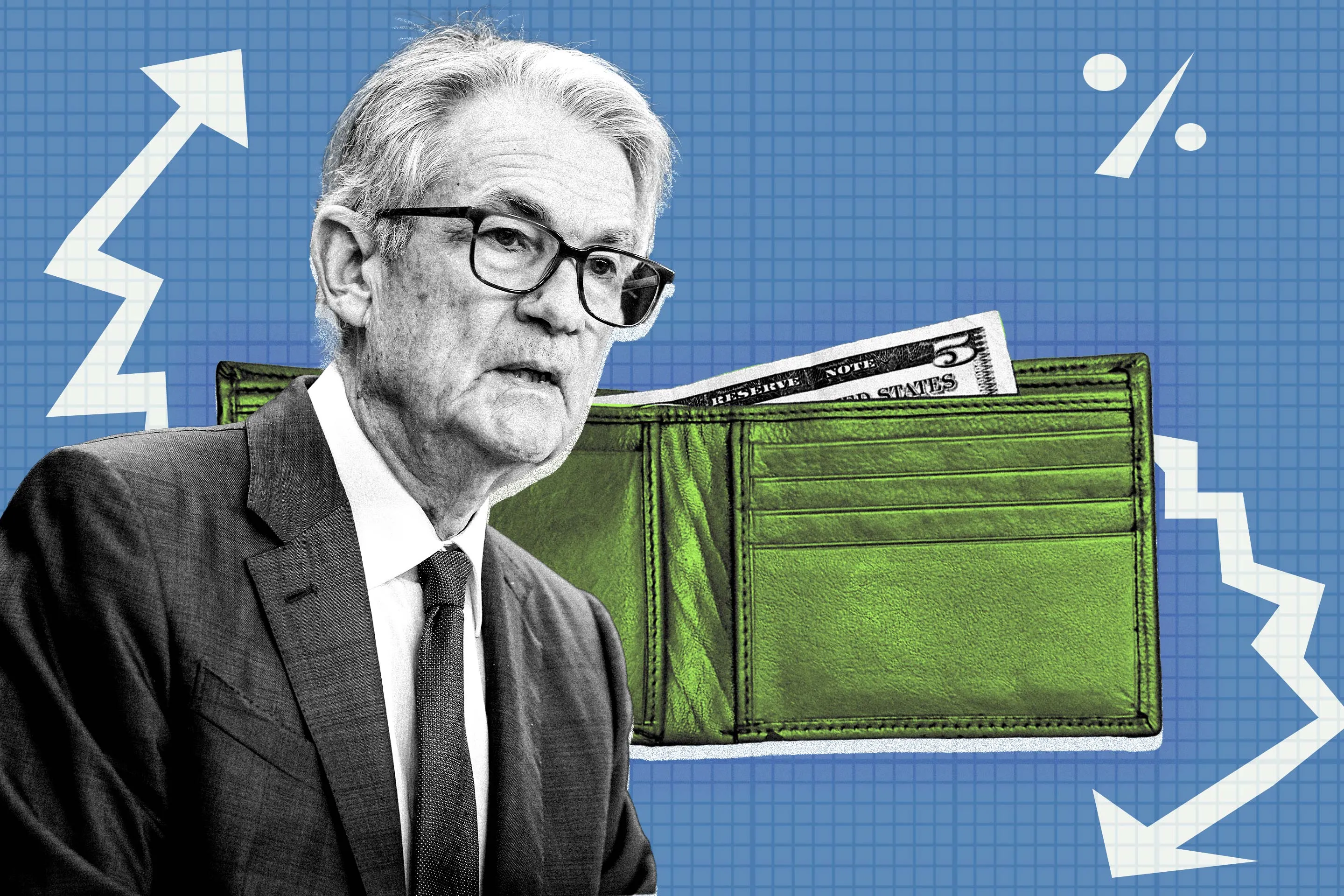
The Federal Reserve is set to make a historic move by cutting rates for the first time in 2025 on Wednesday. This decision is expected to have a significant impact on the U.S. economy and everyday consumers alike. The Fed is likely to announce a new target federal funds rate of 4% to 4.25%, marking a quarter-point cut from current levels. This adjustment is aimed at helping the central bank achieve its dual mandate of maintaining low inflation and high employment, especially in light of signs of a weakening labor market.
By lowering rates, the Fed will make borrowing money more affordable. The logic behind this move is that cheaper borrowing costs will encourage more spending and job creation. President Donald Trump has been advocating for rate cuts for months, and this decision is likely to be welcomed by him. This move is expected to kickstart a shift in several major financial trends and may be followed by additional rate cuts in the future.
For savers, the effects of the rate cut may not be immediate but will eventually lead to lower returns on savings products like high-yield savings accounts, certificates of deposit (CDs), and money market accounts. Banks tend to adjust the annual percentage yields (APYs) on these accounts in response to changes in the federal funds rate. However, there are still opportunities to find competitive rates, with some high-yield savings accounts and CDs offering rates well above the national average.
On the other hand, borrowers stand to benefit from the rate cut, as it could lead to lower interest rates on credit cards, personal loans, and auto loans. While the relationship between the Fed’s benchmark interest rate and the annual percentage rate (APR) on loans is not always straightforward, borrowers can expect some relief from the high rates they have been facing in recent years. It’s important to note that interest rates may not drop immediately or uniformly across all loan products, as lenders may have already factored in the possibility of a lower federal funds rate.
Overall, the Federal Reserve’s decision to cut rates is likely to have a ripple effect on the economy and the financial landscape. Consumers should stay informed about how these changes could impact their savings and borrowing decisions in the months to come. Private student loan companies have recently dropped their starting APR offers to some of the lowest rates seen in years, making it unlikely for them to fall much more this year. This move has made borrowing money for various purposes more affordable, whether it be for buying a car, completing a home renovation project, or paying off higher-interest debt. With the possibility of additional rate cuts later in the year, individuals in need of financing can expect improved access to more affordable loans.
For those invested in the stock market, a rate cut by the Federal Reserve could lead to two likely outcomes. Firstly, dividend-paying stocks from companies with stable cash flows are expected to see increased interest from investors shifting away from fixed income investments with lower yields. Investors are advised to keep an eye on Dividend Aristocrats and Dividend Kings – stocks that have consistently increased dividend payouts for 25 and 50 consecutive years, respectively. Additionally, the financial sector is likely to benefit from lower rates, as borrowing and refinancing become more incentivized, reducing capital expenditure costs for corporations and providing homeowners with opportunities to restructure mortgage debts on more favorable terms.
For individuals looking to buy a house, a rate cut may not significantly impact mortgage rates in the short term. However, prospective homebuyers have already seen some relief from the affordability crunch they have been facing, as mortgage lenders have begun lowering rates in anticipation of the rate cut announcement. This has resulted in lower mortgage rates, increasing a buyer’s purchasing power. Further decreases in rates, no matter how small, are expected to be welcomed by homebuyers.
Homeowners looking to sell or refinance their homes could also benefit from the downward trend in rates. Those who feel constrained by the ultra-low mortgage rates obtained during the pandemic may feel more comfortable putting their homes on the market, especially if rates continue to decrease and potentially fall below 6%. Homeowners who purchased homes in the past two years at higher rates could significantly reduce their monthly payments by refinancing at lower rates.
In terms of the job market, a Fed rate cut could be seen as a lifeline for workers as the labor market has stalled. Despite inflation moving away from the central bank’s target rate of 2%, a rate cut could provide some relief to workers in search of job opportunities. Overall, the recent rate cuts and the potential for future cuts are expected to have a positive impact on various aspects of the economy, making borrowing, investing, and homeownership more affordable and accessible for many individuals. As the Federal Reserve contemplates a potential rate cut, experts are highlighting the impact it could have on various aspects of the economy. Claudia Sahm, chief economist at New Century Advisors and a former Fed economist, emphasized that a rate cut wouldn’t be due to positive news on inflation but rather as a response to concerning trends in employment.
The current unemployment rate stands at 4.3%, which is relatively low compared to historical standards. However, the average duration of unemployment has reached 24.5 weeks, the highest level since April 2022. Additionally, around 25% of unemployed individuals have been out of work for at least 27 weeks, equivalent to six months.
By reducing interest rates, the Fed aims to make it easier for businesses to hire more workers. Lower interest rates would mean that a smaller portion of a company’s budget goes towards debt payments, freeing up resources that can be used to hire new employees. Furthermore, a rate cut is intended to stimulate consumer spending, which in turn supports economic growth and job creation.
While the effects of a rate cut may not be immediate, it could potentially kickstart the process of thawing the current freeze on hiring.
In the context of buying a car, auto loan rates typically decrease following a Federal Reserve rate cut. This is positive news for drivers, as car loan rates have been on the rise, with new vehicle financing rates at 6.7% and used vehicle financing rates at 11.9%. Lower interest rates would make car ownership more affordable, especially for individuals with lower credit scores who have struggled to secure affordable loans in recent years.
Jessica Caldwell, head of insights at Edmunds, highlighted that while a modest Fed rate cut may not significantly reduce monthly payments for consumers, it could boost overall buyer sentiment. This, combined with sales events like model-year closeouts and year-end promotions, could lead to an increase in car purchases towards the end of 2025.
For retirees, the impact of a rate cut can have both positive and negative implications. While lower rates could potentially fuel inflation, retirees are more concerned about paying down debt and maintaining their savings amid rising prices. Additionally, retirees tend to have more conservative portfolios, with investments in fixed-income products like bonds and Treasurys, which could see yields decrease following a rate cut.
Financial planner John Jones expressed concerns about inflationary pressures, particularly in light of the Republicans’ significant spending bill. However, retirees are advised not to make hasty changes to their investments, as the market will take time to adjust to any rate cuts. Despite potential yield decreases in fixed-income products, opportunities for solid yields still exist in high-quality corporate bonds and intermediate-term bonds.
Overall, the potential rate cut by the Federal Reserve has implications across various sectors of the economy, from employment and consumer spending to car purchases and retirement savings strategies. It remains to be seen how these changes will unfold and impact individuals and businesses in the coming months.