Hugging Face Launches $399 Microduck Robot, OpenAI Warns on Astra Cyber Risks
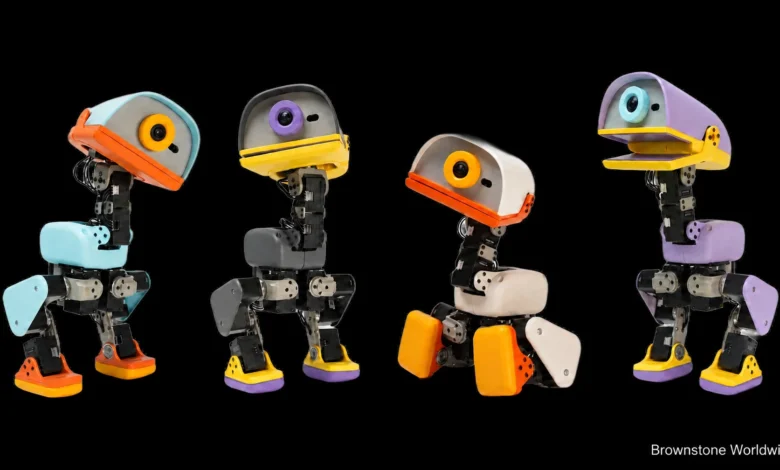
The latest technology news is bringing artificial intelligence out of the screen and into the home. Hugging Face and Pollen Robotics have opened pre-orders for Microduck, a $399 open-source bipedal robot designed for reinforcement learning. The 25-centimeter robot includes a camera, LiDAR, two IMUs, 15 motors, and seven trained behaviors. Deliveries are targeted before Christmas 2026, meaning buyers should plan for roughly a four-month wait, with a broader 4–6 month window possible.

Microduck matters because it turns physical AI experimentation into something more accessible. Its software development kit, simulator, and reinforcement-learning tools are openly available under the Apache-2.0 license. Users can train a behavior in simulation, deploy it to the robot, refine it, and share the result. HypeFresh and other technology outlets have highlighted the robot’s unusual combination of low price, playful design, and serious developer focus. The official Microduck product page provides the specifications and pre-order details.
At the same time, OpenAI has warned that its unreleased Astra model may approach the “Critical” level of cybersecurity capability. As reported by GBHackers and described in OpenAI’s preparedness update, Astra could potentially discover zero-day vulnerabilities and coordinate autonomous cyberattacks unless tightly controlled. OpenAI says Astra was not involved in the earlier Hugging Face security incident, but the warning has prompted stricter safeguards and restricted testing.

A third development expands access to powerful AI tools. Z.ai released GLM-5.3 Flash, an open-weight, multimodal model with 320 billion total parameters, 18 billion active parameters, and a 1-million-token context window. Through Cloudflare Workers AI, it is listed at $0.15 per million input tokens and $0.50 per million output tokens. Kie.ai describes its applications across coding, documents, images, and agent workflows.
For neighbors, developers, and small organizations, the next step is practical caution: compare delivery terms, protect connected devices, review AI permissions, and avoid placing sensitive data into experimental systems. Read more in Brownstone Worldwide’s technology coverage, then tell us: would you pre-order an open-source household robot, or does AI safety need to advance first?