Iran–US Standoff Deepens as Washington Says Hormuz Blockade Is ‘Indefinite’
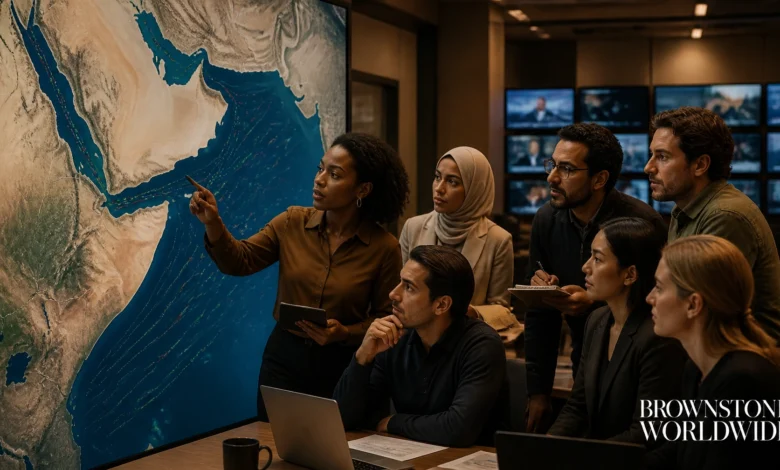
The Iran–US standoff is entering a more dangerous phase as Washington says its blockade of Iranian ports can continue “indefinitely.” Defense Secretary Pete Hegseth said U.S. naval forces can rotate through the region rather than treating the mission as a short-term deployment. Iran, meanwhile, has tightened control over the Strait of Hormuz, where commercial traffic has sharply declined. (Gulf News)
The stated U.S. priority is to pressure Iran while bringing down oil and gasoline costs for consumers. That goal faces an immediate challenge: Brent crude was trading near $87 per barrel on Friday, while shipping disruptions, insurance costs and uncertainty continue to weigh on energy markets.

The confrontation moved from warnings to direct action this week. U.S. Central Command said a Navy helicopter fired two missiles at the Panama-flagged M/V Vela Nova in the Gulf of Oman after the vessel allegedly ignored orders and attempted to reach an Iranian port. The strike disabled the ship; officials did not initially report crew casualties. (Associated Press)
The danger is spreading beyond Hormuz. In the Bab el-Mandeb Strait, Yemeni authorities said Houthi forces killed four crew members and two rescuers in a missile attack on the cargo ship Tihamah. The second strike reportedly hit while responders were evacuating the wounded. (Al Jazeera)

Ukraine has separately intensified long-range strikes on Russian oil and grain infrastructure, including facilities around Novorossiysk. Together, these developments place additional pressure on global energy, food and shipping networks. (Reuters)
For households, the practical next steps are simple: watch gasoline prices without panic-buying, verify travel updates through official sources, and avoid unconfirmed social-media claims. Brownstone Worldwide will continue tracking the crisis and its impact on communities, markets and daily life.

What are you watching most closely: the price at the pump, travel disruptions, or the risk of a wider regional conflict? Share your perspective with the Brownstone Worldwide community.