Iran war exposes big market concentration risk. It isn’t in US stocks
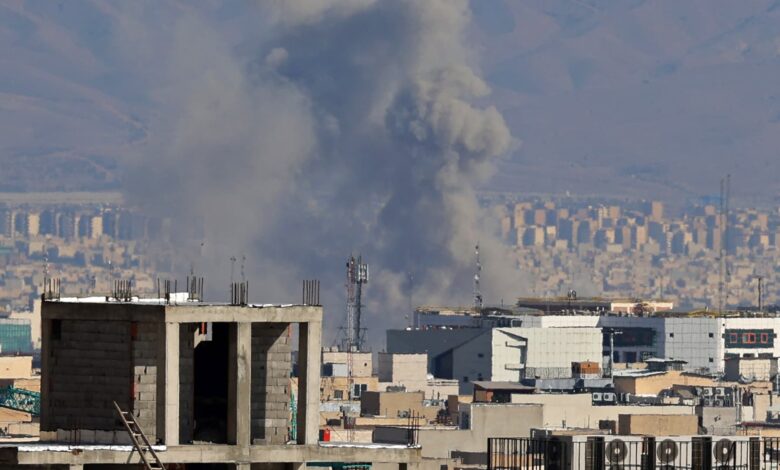
Investors have been increasingly looking towards emerging markets for big stock gains and diversification away from the concentrated S&P 500. However, the recent U.S.-Iran military conflict has shed light on the risks associated with investing in emerging markets, particularly the dependency on a select number of stocks, many of which are tied to the AI boom.
The iShares MSCI Emerging Markets ETF (EEM) has shown strong performance in recent years, with a 29% increase in 2025 and still holding onto gains in 2026. However, the ETF’s holdings are heavily concentrated in Asia, with significant exposure to countries like China, South Korea, India, and Taiwan. Many of the top stocks in the ETF are tech-related, including Taiwan Semiconductor and Samsung.
Malcolm Dorson, a senior emerging markets portfolio manager, pointed out that the index is still around 80% Asia, leading to concentration risk. The tech sector makes up over 30% of the emerging markets index, further emphasizing the exposure to this industry.
South Korean stocks have experienced extreme volatility due to their heavy reliance on the memory sector, which fuels the AI boom. After a record drop, the South Korean market rebounded but is still down close to 13% for the week. Retail investors have seen significant gains from stocks like SK Hynix and Samsung, which posted impressive returns last year.
The spike in oil prices following the military conflict has impacted global markets, with Brent crude futures surpassing $90. Asian nations, including China, have taken steps to halt fuel exports to secure energy supplies. This energy squeeze highlights the vulnerability of these nations to external factors.
Despite the challenges, ETF investing strategists believe it’s not time to abandon emerging markets entirely. Dorson suggests a “barbell approach,” diversifying exposure across different regions. He recommends considering Latin America as a balance against Asian markets, citing countries like Argentina, Brazil, and Colombia, which are heavily linked to energy and commodities markets.
Latin American equities trade at significant discounts compared to U.S. stocks, with lower price-to-earnings ratios. Dorson sees potential in political reform efforts in Latin American nations, which could benefit financial services sector stocks. He emphasizes the importance of maintaining exposure to commodities and balancing investments across regions.
In conclusion, while the current geopolitical landscape poses challenges for emerging markets, strategic diversification and a long-term perspective can help investors navigate the volatility. Latin America presents an attractive opportunity for those looking to balance their international portfolio and capitalize on potential growth in the region.