Iran’s top diplomat returns to Pakistan as Islamabad races to save negotiations with US

ISLAMABAD — ISLAMABAD (AP) — Iran ‘s foreign minister made a return visit to Islamabad on Sunday, sparking renewed efforts by Pakistan’s political and military leaders to revive ceasefire negotiations between Tehran and Washington.
Abbas Araghchi had briefly left the Pakistani capital late Saturday, but Iranian state media reported that he returned before continuing his journey to Moscow. The visit comes amid uncertainty surrounding a potential second round of talks between the parties involved in the conflict.
While the exact timing of the next round of talks remains unknown, Pakistani officials, speaking on condition of anonymity, confirmed that efforts are ongoing to facilitate further discussions following the recent historic face-to-face meetings between the U.S. and Iran.
President Donald Trump’s decision to cancel the planned mission of envoys Steve Witkoff and Jared Kushner to Islamabad due to lack of progress with Iran has added a layer of complexity to the situation. However, Trump expressed openness to dialogue while emphasizing that the U.S. is not currently sending representatives.
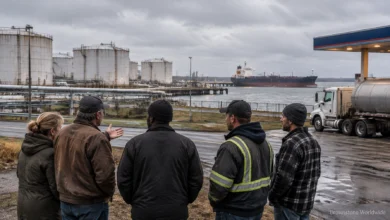
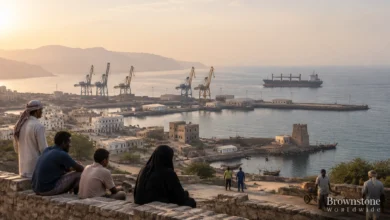
The ceasefire extension agreed upon by the U.S. and Iran on April 7 remains in effect, but challenges persist, particularly in the Strait of Hormuz where tensions between the two nations continue to impact global trade and security.
Efforts are underway to address key issues such as toll collection in the strait, with Iran seeking support from Oman in this regard. However, the path to a lasting resolution remains unclear as both sides maintain their positions on various contentious matters.
Despite the challenges, mediators from Pakistan are working to bridge the divide between the conflicting parties, with ongoing communication between Iran and regional stakeholders such as Qatar and Saudi Arabia.
The economic impact of the conflict continues to be felt globally, with disruptions in oil and gas shipments affecting various industries. Both Iran and the U.S. have issued warnings and threats, underscoring the high stakes involved in the negotiations.
As the diplomatic efforts unfold, the international community remains hopeful for a peaceful resolution to the conflict, recognizing the importance of patience and perseverance in achieving lasting peace in the region.
___
Magdy reported from Cairo and Lidman from Jerusalem. Associated Press writer Will Weissert in Washington contributed to this report.