Is PG Underperforming the Consumer Defensive Sector?
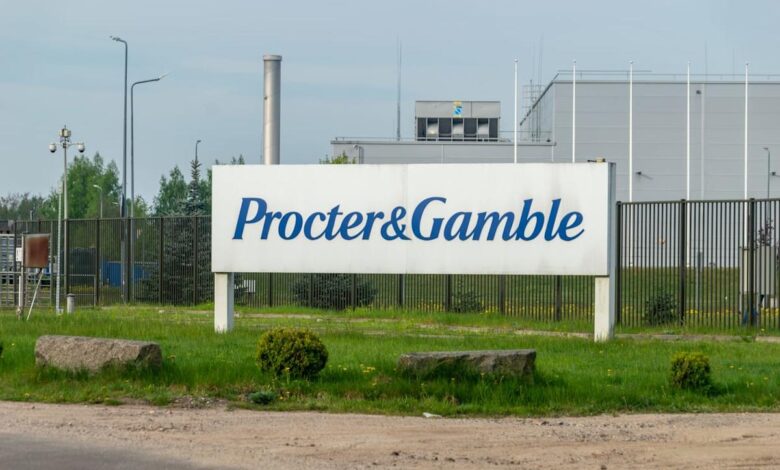
Ohio-based Procter & Gamble Company (PG), also known as P&G, is a global powerhouse that produces some of the most trusted everyday brands that reach billions of consumers in around 70 countries. Their products aim to make life cleaner, healthier, and simpler, with a lineup that includes well-known names like Pampers, Gillette, Tide, Olay, Crest, Ariel, Febreze, Pantene, Vicks, Head & Shoulders, Bounty, Charmin, and Oral-B. These brands are an integral part of daily life for many households worldwide.
With a market capitalization of approximately $352.6 billion, P&G is considered a “mega-cap” stock, indicating its significant value in the consumer staples sector. By focusing on essential household and personal care products used consistently over time, P&G has established a lasting presence in homes across multiple generations.
Despite its strong market presence, P&G has been experiencing some challenges in terms of stock performance recently. Over the past three months, P&G shares have declined by about 7.4%, remaining 18.5% below their peak in November 2024. The broader consumer staples sector, as represented by the Consumer Staples Select Sector SPDR Fund (XLP), has also faced headwinds, with a 6.6% decrease over the same period.
Looking at the bigger picture, P&G shares have dropped by 16.6% over the past 52 weeks and are down 12.3% in 2025. In comparison, XLP has seen a more moderate decline of 6% over the past year and 2.1% this year, highlighting P&G’s underperformance within its defensive peer group.
From a technical perspective, P&G has struggled to maintain positive momentum. The stock has remained below its 200-day moving average since late May, indicating sustained long-term weakness. Despite some temporary upticks, shares have failed to hold above the 50-day moving average during the same period.
The challenges faced by P&G on Wall Street can be attributed to sector-wide issues such as higher tariff-related costs, softer consumer spending, and increased competition from brands offering lower-priced alternatives. Concerns surrounding the company’s premiumization strategy have also contributed to uncertainties. However, P&G’s fundamentals remain solid, as evidenced by better-than-expected results in fiscal 2026 Q1, driven by strong demand in beauty and grooming segments.
While P&G’s stock performance may have been disappointing recently, analysts are still optimistic about its future. With a consensus rating of “Moderate Buy” from 24 analysts and an average price target of $169.77, the stock has a potential upside of about 15.5% from current levels. Despite the challenges, P&G continues to demonstrate resilience and confidence in its ability to navigate through current headwinds.